
The Reserve Bank is under increasing pressure to consider a rate rise before the next federal budget in May after new figures showed inflation growing through the start of the year.
Figures from the Australian Bureau of Statistics this morning showed a 0.5 per cent increase in monthly inflation in January.
While annual inflation was steady at 3.8 per cent, the closely watched measure of underlying inflation lifted to 3.4 per cent. In January, underlying inflation increased by 0.3 per cent.
The figures continue to be affected by the end of electricity subsidies. The federal government’s subsidy ended last month.
Over the last 12 months, electricity costs rose by 32.2 per cent. In the 12 months to December, they lifted by 21.5 per cent.
The bureau said that if federal and state government subsidies were excluded, electricity prices would have increased by 4.5 per cent.
Across the capital cities, annual electricity inflation ranged between 12.4 per cent in Melbourne and 250.3 per cent in Perth.
The big changes in electricity prices mean there is a wide divergence in inflation across the nation. Inflation is highest in Perth at 4.9 per cent, it is at 3.9 per cent in Sydney and 3.3 per cent in Melbourne.
Food prices increased by 0.2 per cent last month, transport costs fell by 0.9 per cent as petrol prices eased while there was no change in health and household furnishing costs.
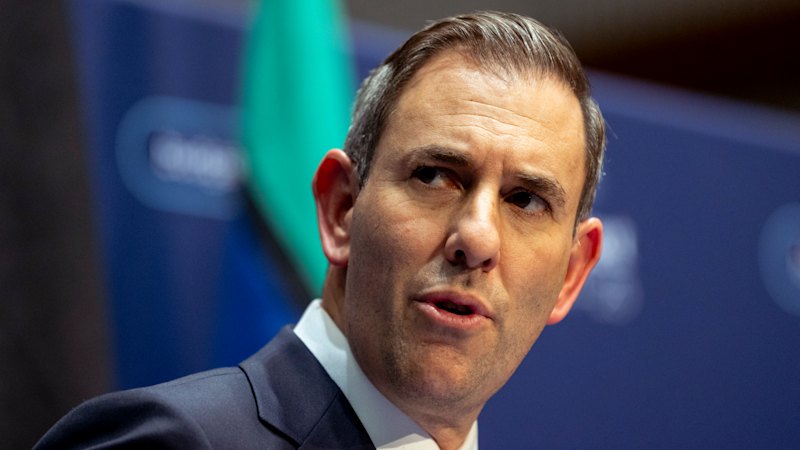
Deloitte Access Economics director Stephen Smith said the pressure was on Treasurer Jim Chalmers to take heat out of the economy in his May budget.
“Today’s inflation data means a pre-budget rate rise remains on the table, making May a pivotal month for the economy,” he said.
“Unless the federal budget meets the moment and outlines significant economic and tax reform, growth will stagnate and inflation will persist for longer than necessary.”
KPMG senior economist Terry Rawnsley said the figures were not what households wanted to hear.
“There is no sugar-coating it, these are not encouraging numbers and inflation remains stubbornly high,” he said.
“However, there is some cause of optimism, with the various electricity rebates having now worked their way through the system, inflation should hopefully begin to ease off.”
Apart from electricity, there continues to be price pressures in the construction of new homes. In Sydney, new building inflation rose to an annual rate of 3.2 per cent, its highest level since mid-2024.
Separate figures from the bureau confirmed residential construction is growing. The total value of residential construction done in the December quarter lifted by one per cent to a record $27.1 billion to be 8 per cent up over the past 12 months.
 Shane Wright is a senior economics correspondent for The Age and The Sydney Morning Herald.Connect via X or email.
From our partners
Discover more from PressNewsAgency
Subscribe to get the latest posts sent to your email.