
Headquartered in Riyadh, the GCC trade bloc comprises Bahrain, Kuwait, Oman, Qatar, Saudi Arabia and the United Arab Emirates (UAE). Decades of petroleum revenues, combined with a boom in oil and natural gas revenues, underpin the region’s building and investment surge – and it now comprises some of the fastest-growing economies in the world. Figure 1 sets out the region’s gross domestic product (GDP) growth compared with those of advanced economies, emerging markets and low-income countries (note the negative areas of the chart related to the Covid-19 pandemic).
“The UAE and Saudi banking systems are poised to continue their growth above the rest of the region, with strong credit demand led by a dynamic non-oil sector and economic diversification programs. We also expect credit growth in Oman to remain robust,” noted S&P Global in January 2024.3
GCC countries, the IMF Country Report No 23/413 points out, have set out ambitious reform agendas – as shown in the government initiatives Saudi Vision 2030, We the UAE 2031, Oman Vision 2040 and Qatar National Vision 2030. Implementation has been progressing well and has accelerated after the pandemic. The main areas of progress are social and business-friendly reforms, efforts to enhance fiscal sustainability and resilience, investments in strategic industries and digital and green infrastructure. Going forward, stepped-up implementation of these reforms will be critical to enhance productivity, diversify economies, and prepare for the energy transition.”4
Figure 1: Relative GDP growth (%) of GCC countries
Sources: Bloomberg L.P., International Energy Agency (IEA), Haver Analytics, and IMF staff calculations. GCC PMI reflects simple average of Qatar, Saudi Arabia, and the UAE. AE=Advance economies; EM=Emerging markets; LIC=Low-income countries
Deutsche Bank Research anticipates that Saudi Arabia’s growth (anticipated to rebound at around 2.4% for 2024. Albeit the carry-over effect of oil production cuts announced in mid-2023 will likely continue to weigh on growth in 2024, economic activity will continue to be supported by sizeable investments aimed at diversifying the economy. Non-oil economic activity “should continue to benefit from large-scale investments under the Vision 2030 agenda,” said economist Samira Kalla in her report, Saudi Arabia: an economic renaissance amid global challenges.5
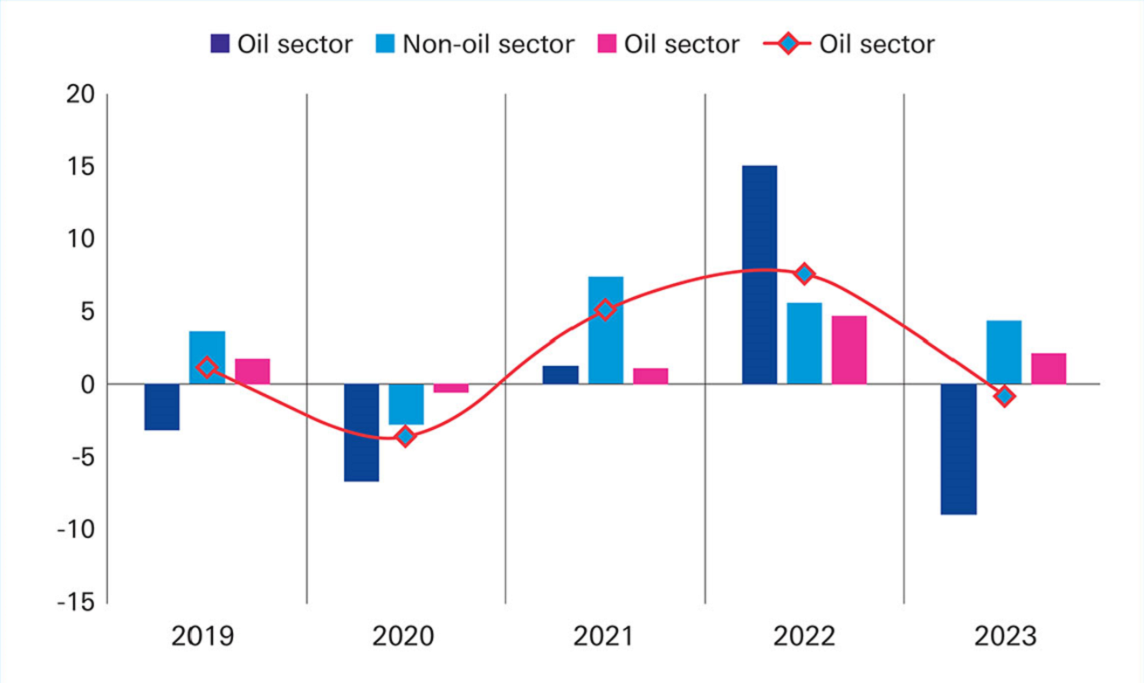
Figure 2: Saudi Arabia 2023 growth affected by lower oil activity, but non-oil sector remains robust
Source: Haver Analytics and Deutsche Bank
Saudi Arabia’s moderate level of debt (26% of GDP in 2023), and other positive factors such as fiscal prudence and a favourable oil environment have, adds Kalla, “helped improve the country’s credit rating and wider investor sentiment” – evidenced by successful bond issuances in 2024.
“Saudi Arabia has a lot of money going into diversified interests outside of oil”
The wider GCC region is rich in liquidity, with sovereign wealth funds investing their oil money in businesses offshore. “Look at Saudi Arabia – now it is hosting the World Cup 2034, it will be building stadiums, more hotels and the infrastructure around this. They are investing in the core franchise and have bought football clubs – so, this is a lot of money going into diversified interests outside of oil,” says Kees Hoving, Head of Corporate Bank Coverage MEA at Deutsche Bank.
Discover more from PressNewsAgency
Subscribe to get the latest posts sent to your email.