

In contrast, Vietnam has more avenues for dialogue than the Philippines to defuse tensions with China, according to analysts.
On August 1, Vietnam pledged to strengthen its partnership with India in areas including freedom of navigation and overflights in the South China Sea. Vietnam has also signed military cooperation agreements with the United States, Australia, France and Japan.
Abdul Rahman Yaacob, a research fellow in the Southeast Asia Programme at the Lowy Institute, said the Philippines and Vietnam faced similar challenges in the South China Sea.
Like the Philippines, Vietnamese fishing fleets and oil exploration activities in the South China Sea within its exclusive economic zone had been harassed by Chinese vessels, said Rahman, a specialist in Southeast Asian defence and security.
“However, unlike Manila, Hanoi is keeping a low profile and does not publicise these incidents,” Rahman said. “Vietnam’s strategy is not to allow its disputes with China in the South China Sea to shape its otherwise healthy relations with its northern neighbours. This is the point Hanoi officials consistently made to me.”
Manila has also publicised China’s aggressive behaviour while showing its commitment to defending its territorial rights. “This could have triggered Beijing to act aggressively against the Philippines, especially in the Second Thomas Shoal,” Rahman added.
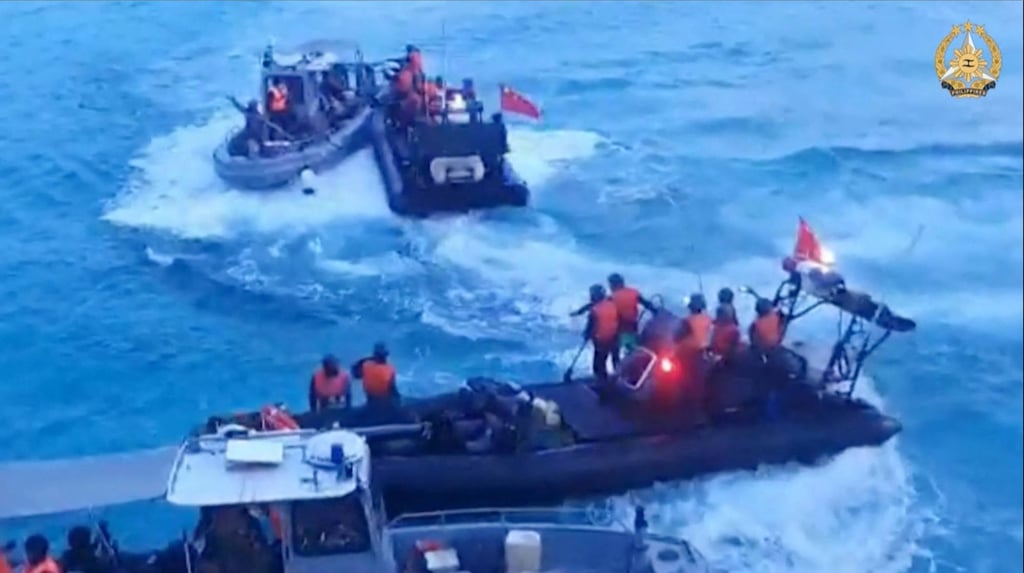
On Wednesday, the Chinese military conducted a joint sea and air patrol around the disputed Scarborough Shoal aimed at testing its “capacities in reconnaissance, early warning, rapid mobility and joint strikes”, the Southern Theatre Command of the People’s Liberation Army said in a post on the social media platform Weibo. The shoal, located about 220km (137 miles) west of Luzon island, is claimed by China and the Philippines.
China is likely adopting a “softer” approach towards Vietnam in comparison with its assertive stance against the Philippines as part of its “divide and conquer” policy, Rahman said.
“I don’t think Beijing’s policymakers and defence planners would like to antagonise the Vietnamese and the Filipinos at the same time as they would be stretching their resources,” he added.
China’s policy to show the Philippines as the “unreasonable actor” in the South China Sea dispute had been successful to an extent as some Southeast Asian officials had privately expressed their concerns that Manila was being reckless, Rahman said.
“Therefore, China will be concerned that the Philippines’ defence relations with major powers may impact its naval ambition,” Rahman said.
Beijing views Taiwan as a renegade province that should be reintegrated into mainland control, by force if necessary. While many nations, including the US, do not officially acknowledge Taiwan as an independent state, they oppose any use of force to alter the existing status quo.
Carl Thayer, an emeritus professor at the University of New South Wales, said unlike the Philippines, Vietnam had refrained from deploying its navy to confront Chinese ships in its exclusive economic zone.
Instead, Hanoi had deployed coastguard and civilian vessels to monitor Chinese activities, exercised tight control over Vietnamese media coverage of maritime incidents and pursued diplomatic channels with Beijing over their South China Sea dispute, Thayer said.
As for the Philippines, China’s approach would have taken into account the various military exercises that the Southeast Asian nation conducts regularly with its allies such as the annual Balikatan exercise with the US, according to Thayer, who is a specialist on Vietnamese defence issues.
09:23
History, money and military: why the South China Sea is so important to Beijing
History, money and military: why the South China Sea is so important to Beijing
“Vietnam does not conduct military exercises with foreign countries because of their war-fighting connotation” and only allowed one annual visit by a foreign vessel per country to a Vietnamese port, Thayer added.
Khang Vu, a doctoral candidate majoring in international relations and East Asian security at Boston College, said Beijing’s more lenient treatment towards Hanoi was because Vietnam was not a US ally.
“Vietnam has also kept its disagreements with China private thanks to the inter-party ties. Such secrecy allows for easier de-escalation due to neither side fearing loss of face publicly,” Vu said.
The approach by the Philippines to actively publicise its differences with China had reduced the leeway for both sides to defuse tensions over their dispute, Vu said. Nonetheless, Manila has been seeking to avert further clashes in the waters, he added.
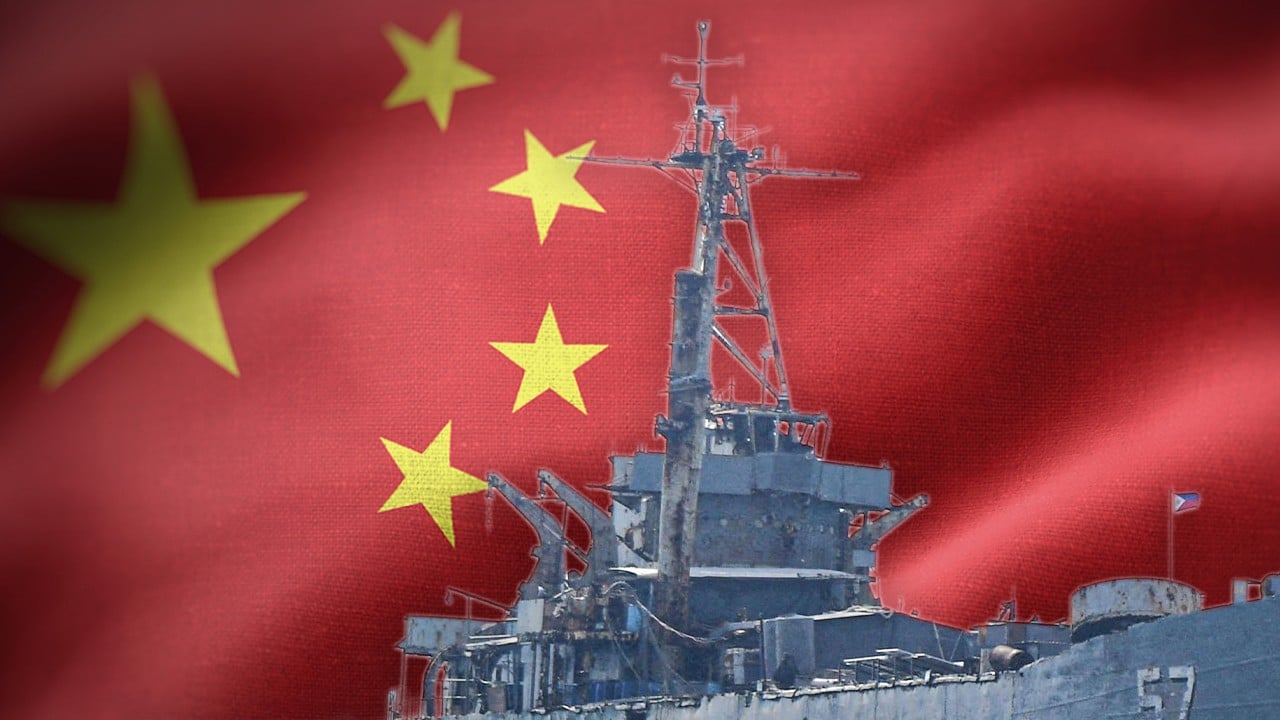
The Philippine foreign ministry said last month that Manila had reached an understanding with Beijing “on the provisional arrangement” for resupply missions to a beached Filipino naval ship in the South China Sea. Its Chinese counterpart later confirmed the “temporary arrangement” to de-escalate the situation in the South China Sea.
Discover more from PressNewsAgency
Subscribe to get the latest posts sent to your email.