

While there had been evidence of similar health concerns among detainees flagged by humanitarian groups in the past, the situation now has reached a crisis point, the report said.
“It is a testament to how far Australia has fallen that, despite more than a decade of evidence of the harms inflicted on human beings detained in offshore detention facilities, these immigration policies endure,” Nilanthy Vigneswaran, a Darwin-based infectious diseases doctor, said in the report.
“Appropriate and accessible medical care is not subject to the whims of Australia’s immigration policies – they are fundamental and undeniable human rights.”
Despite Australia ending its offshore detention policy with PNG in 2021 – after the PNG government found Canberra’s Manus Island detention centre to be an unconstitutional violation of personal liberties – Vigneswaran said Canberra has not fulfilled its responsibilities to protect the welfare of those who remain there after the centre was closed.
Some refugees remain in PNG because they have not been resettled in third countries or returned to their countries of origin, with many stuck due to complex bureaucratic processes and limited resettlement options.
Another detention centre in Nauru is still receiving boat arrivals, with numbers rising in the past six months despite being empty a year ago. About 100 people are currently detained there.
In Nauru too, six in 10 people detained have experienced health problems and have limited access to healthcare, the report notes.
Australian doctors interviewed by ASRC said detainees suffered diseases such as autoimmune disorders, liver and kidney issues and strokes. That is on top of the severe mental health and trauma problems caused by, among others, the journey to seek asylum by sea, persecution and experiences of violence in detention.
At least four in 10 detainees have thought about or attempted suicide, and suicides have accounted for at least 14 deaths in offshore detention centres, according to ASRC.
While these refugees could access some healthcare in the PNG capital of Port Moresby, they were declined or asked to pay significant costs for care when they had no means to do so, the report says.
There is also no opportunity for them to be evacuated to Australia as Canberra repealed its medical evacuation law for offshore detainees in 2019 due to “concerns about security”.
Thanush Selvarasa, a refugee who was previously detained on Manus Island but managed to get healthcare through the now defunct Medevac system, told ASRC there was no medical facility on the island when he was there.
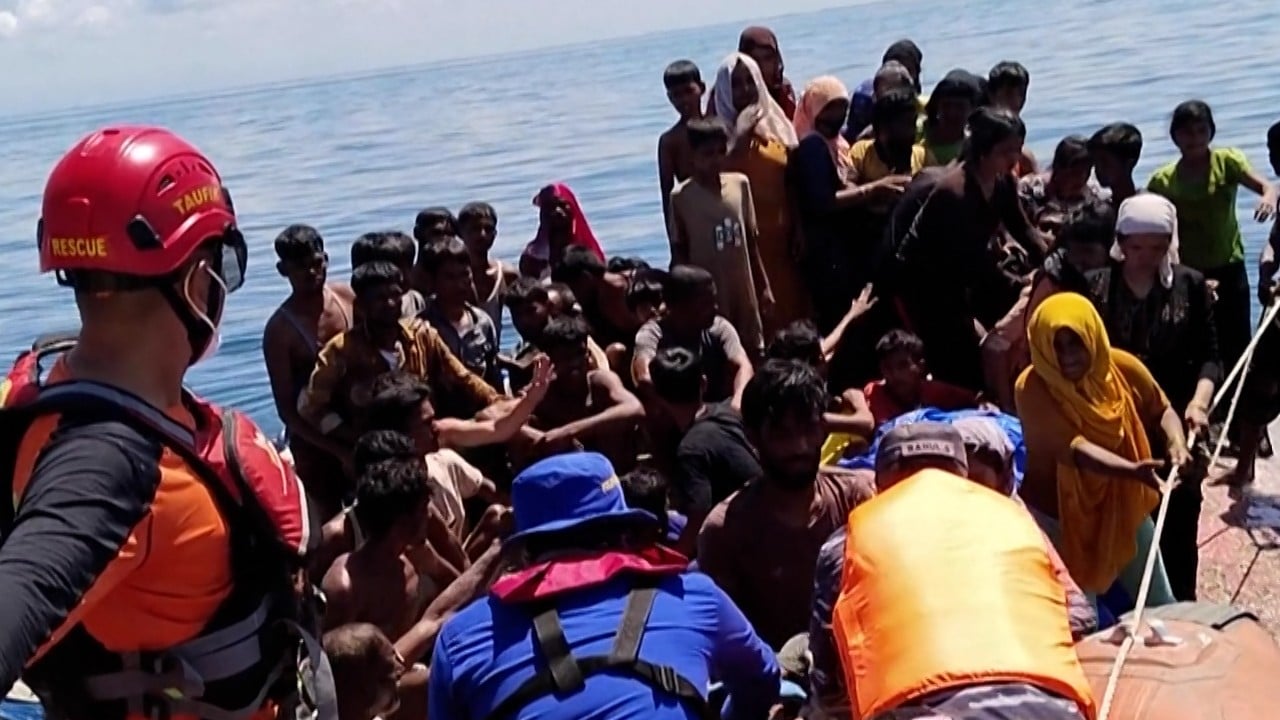
02:01
Indonesia picks up dozens of Rohingya refugees in dramatic sea rescue
Indonesia picks up dozens of Rohingya refugees in dramatic sea rescue
“I know how bad it was in PNG. I was one of them. It’s really hard to live there,” Selvarasa, who has been released from detention but remained in Australia on a six-month bridging visa that had to be regularly renewed.
“Mentally and physically, I’m still very tired. I didn’t see any humanity for many years.
“I can’t see any humanity in this policy, only brutality.”
Another former Manus Island detainee, Behrouz Boochani, said the experience there was “systematic torture”.
“The only thing I can say is that it is enough – they should be evacuated now to receive medical treatment and support to start a new life,” Boochani told ASRC.
The report said the living conditions in the detention centres on both Manus and Nauru islands are inhumane, overcrowded and lacking in sanitation.
As refugee numbers tick up in Nauru, the Refugee Council of Australia has urged the Albanese government to urgently “rethink” Australia’s offshore processing policy.
As of May, 1,360 refugees had been resettled elsewhere, including 1106 to the United States and 157 to New Zealand, according to the council.
Discover more from PressNewsAgency
Subscribe to get the latest posts sent to your email.