

Perhaps the strongest sign of Cathay Pacific’s post-pandemic recovery isn’t the flock of familiar green ‘brushing’ tails at Hong Kong airport, or the steadily increasing number of CX flights listed on departure boards around the world.
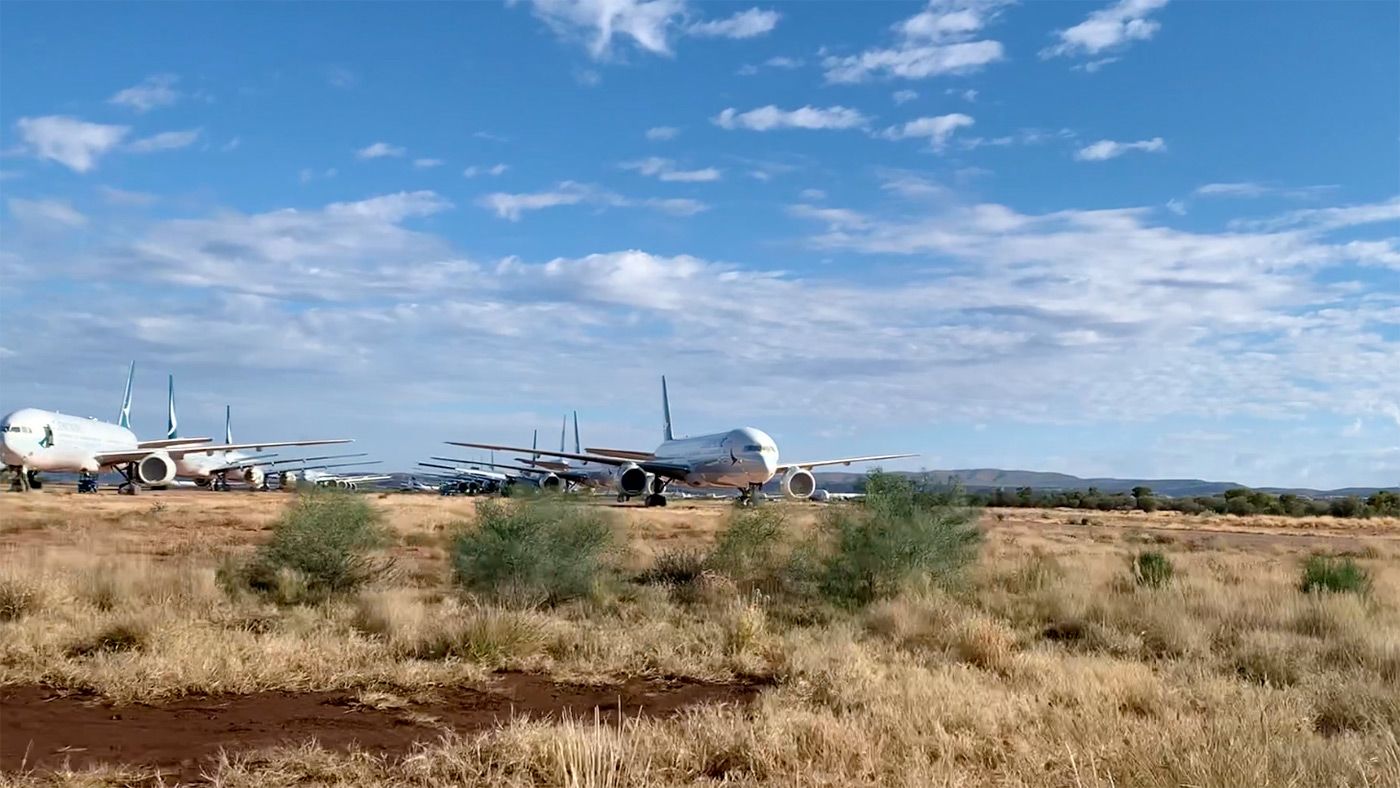
Instead, it could be the lack of Cathay aircraft parked at Alice Springs, in the middle of Australia’s parched Red Centre.
At they height of the global pandemic, almost half the airline’s 150-strong fleet was mothballed at the Asia Pacific Aircraft Storage facility.
Today, only four remain – and those are expected to wing their way back to Hong Kong by the middle of this year, forecasts Cathay’s Southwest Pacific GM Frosti Lau.
Cathay continues to add more flights to Australia, Lau tells Executive Traveller, citing Sydney being back at up to four flights “depending on the day of the week” compared to four daily flights in 2019.
Melbourne, Brisbane and Perth are also on the up, although Lau readily admits this is “a work in progress” and tied to both demand and the availability of aircraft.
For that reason, Cathay’s return to Adelaide and Cairns remains in the margins.
“We are in constant discussions about the potential to bring those back” he tells Executive Traveller.
“The next milestone for us to review is probably in the middle of the year (although) we are competing with aircraft resources and also looking at where are the opportunities” across the rest of the world, especially in North America and Europe.
That’s because 2024-2025 will see Cathay not only rebuilding but redrawing its international network map.
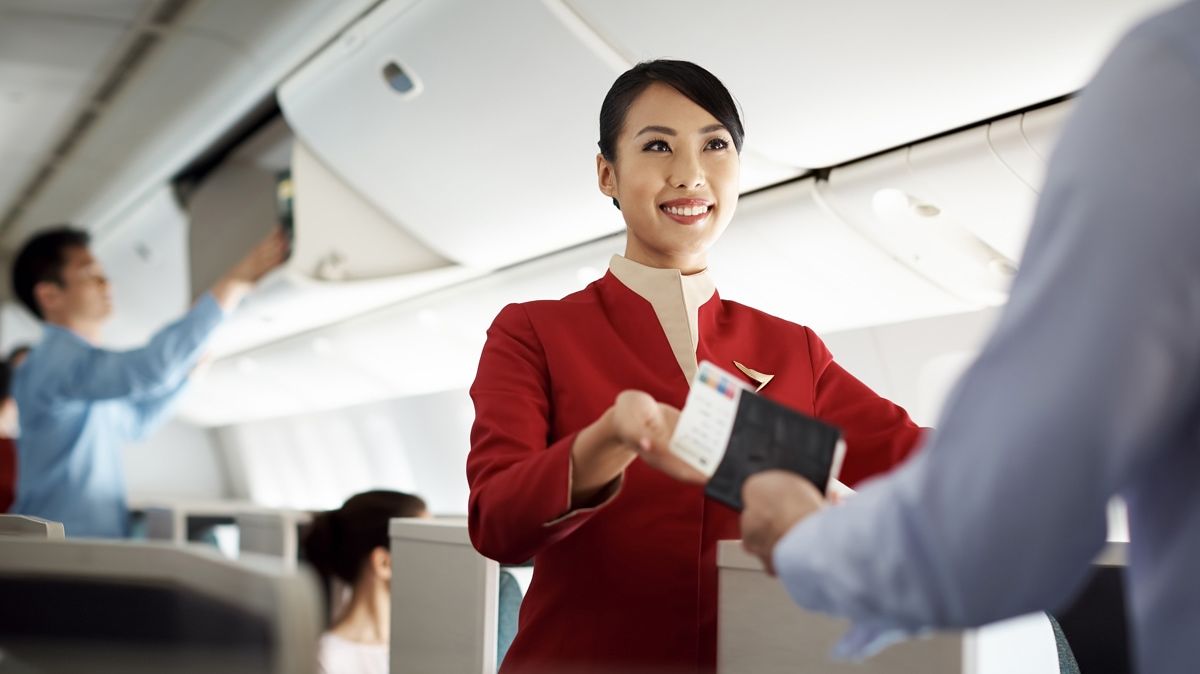
Cathay expects to be back at full strength by the first quarter of 2025.
“We are not just looking at the old destinations, we are looking at new destinations” along with more flights to cities where Cathay sees increased demand over 2019.
Lau cites Vancouver and Toronto as examples of “where we might be adding more (flights) than pre-Covid.”
And while more travellers are headed back to Hong Kong, Lau says Cathay Pacific’s aim of reaching “full 100% capacity by the first quarter of 2025” will re-establish Hong Kong as a transit point for onward Cathay flights around the world.
Also read: Your complete guide to Oneworld airport lounges at Hong Kong
Based on trends to date, Lau says the most popular onwards destinations for Cathay’s Australian passengers appear to be China, India, London and Europe, “especially France.”
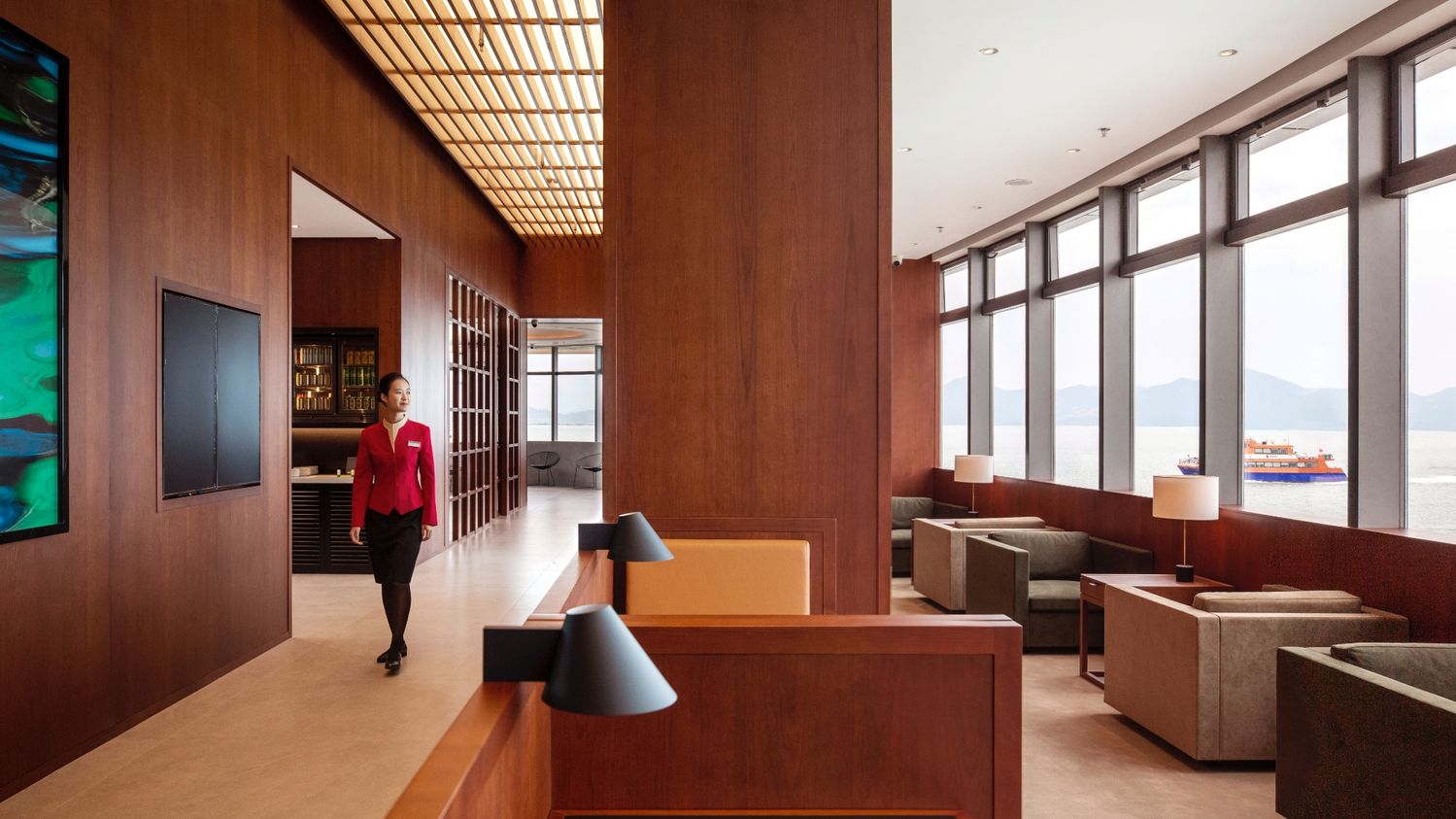
Cathay’s ‘seaport’ lounge at the Shenzhen-HKG ferry pier.
Guangzhou and Shenzhen – two of mainland China’s anchors for the Greater Bay Area ‘megalopolis’ – remain drawcards for Australian businesses sourcing products and suppliers.
And while the high-speed rail link from Kowloon into Shenzhen and Guangzhou has streamlined GBA travel, the ability to travel between Hong Kong airport and Shenzhen on a fast ferry – with Cathay offering codeshare ferry bookings plus a unique ‘seaport’ lounge at Shenzhen – has embedded Cathay as the gateway into GBA and China, Lau says.
“And if you’re coming back with lots of samples, marketing collateral, booklets and stuff in your bags,” Lau explains, they can be checked in at a dedicated Cathay Pacific counter at Shenzhen’s Shekou Cruise Home Port to be transferred at Hong Kong airport onto your flight home, while you head to the Cathay lounge before your 30-minute ferry ride to the airport.
“Then you’re good to go all the way back home to via Hong Kong, so this is one of the things we are very proud of.”
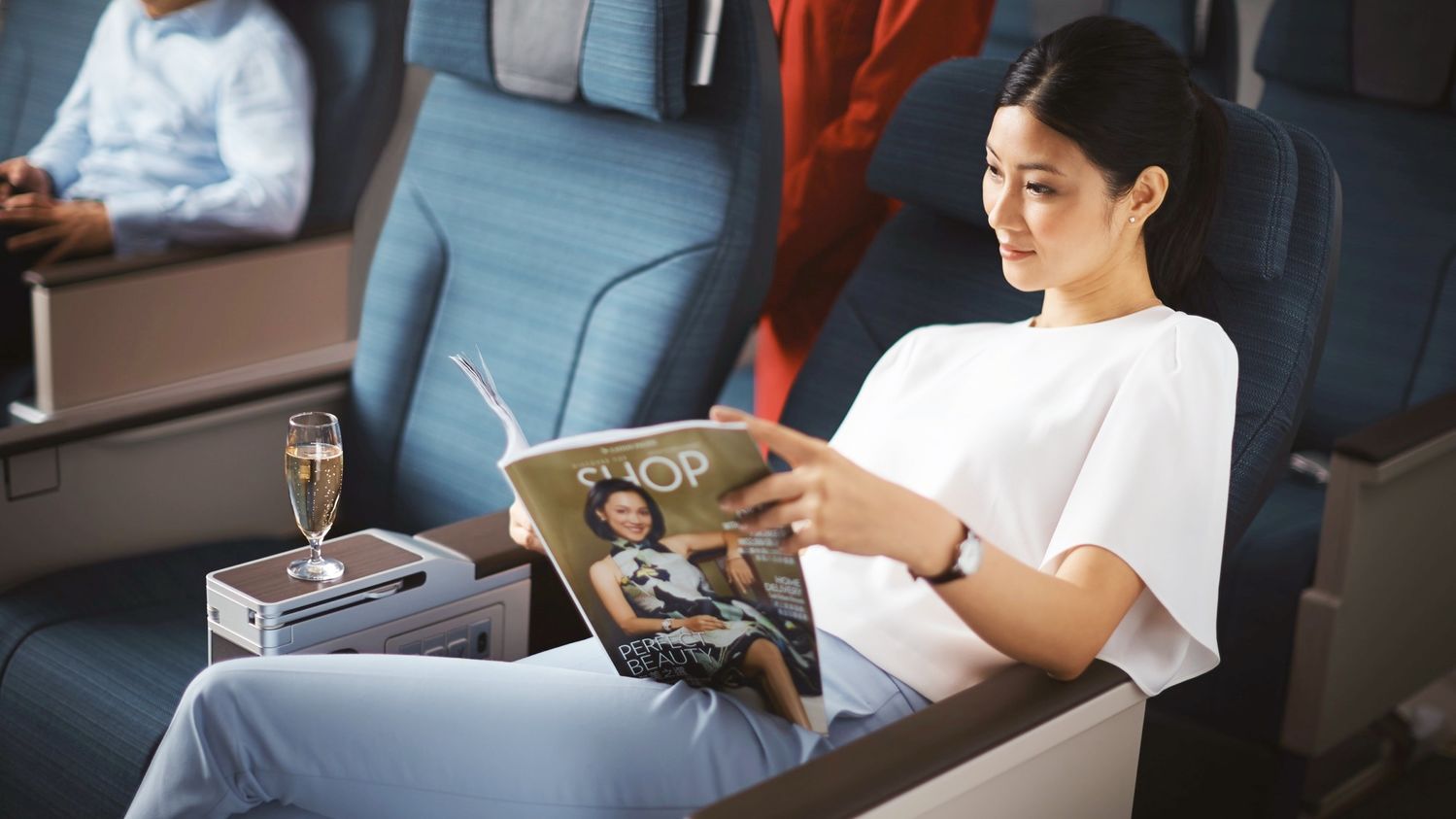
Premium economy is proving a winner for Cathay.
Lau also sees an uptick in the popularity of premium economy on Cathay Pacific flights, to the point where on many flights to and from Australia, as well as other medium- to long-range routes, both the business class and premium economy cabins tend to be fully booked.
“In premium economy you have more space and comfort, we have been elevating our dining experience and service proposition, so people are willing to pay a bit more than for economy.”
This underscores Cathay’s decision to not only launch a new premium economy seat in the middle of this year, alongside the fully-private Aria Suites in business class, but to increase premium economy seating on the flagship Boeing 777 by 50%.
Are you headed to Hong Kong? Here’s how your Australian passport can be used to skip the immigration queues at Hong Kong Airport via the automated e-Channel lanes.
Discover more from PressNewsAgency
Subscribe to get the latest posts sent to your email.