
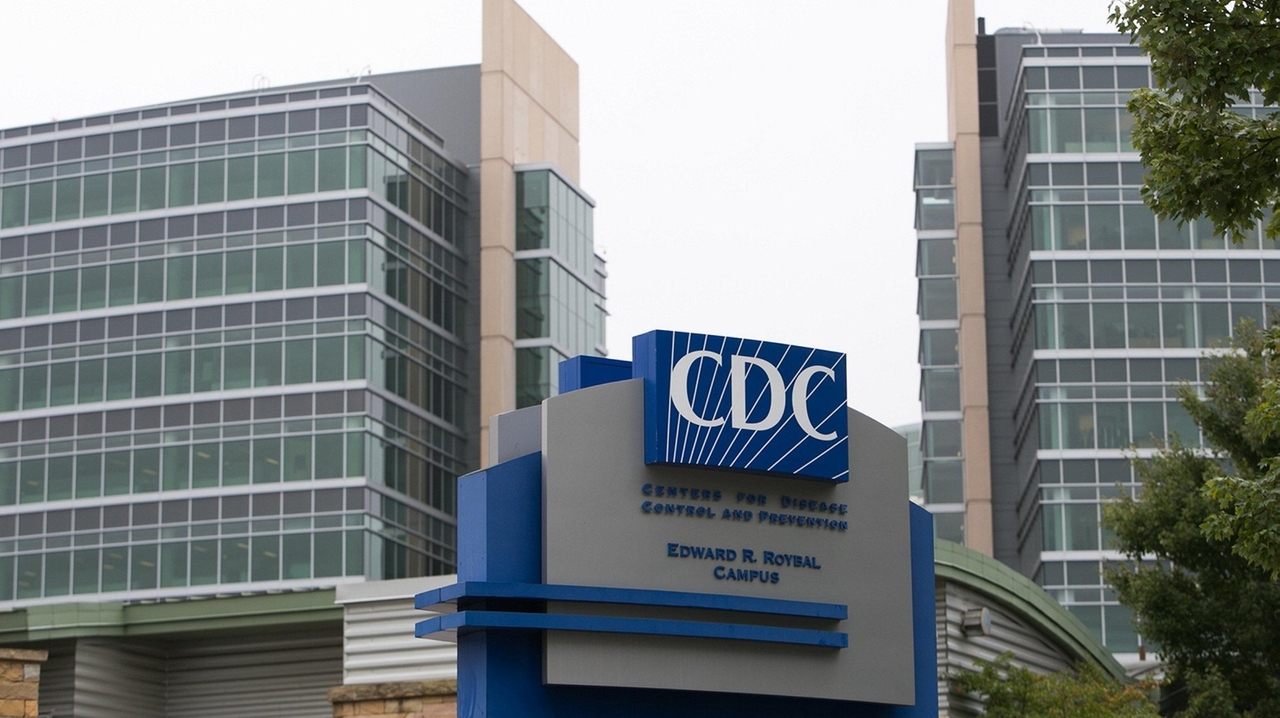
The number of adults nationwide with long-term COVID is declining, but 1 in 4 who contract it face health challenges so overwhelming that they could lose the “ability to work or provide care for others,” according to a CDC study published Thursday.
Medical experts on Long Island said the study reflects what they’re seeing locally, and that long-term COVID remains a persistent problem, even if it doesn’t get enough attention.
As of early June 2022, 7.5% of Americans 18 and older were suffering from long-term COVID, according to the Centers for Disease Control and Prevention report.
By mid-June 2023, the number had dropped to 6%, according to the study.
But it also found that 26.4% of people with long-term COVID reported significant limitations in their ability to perform activities of daily living in June 2023. That was about the same percentage as a year ago.
“It’s really putting some numbers on what we’re experiencing,” Dr. Bruce Hirsch, an infectious disease specialist at Northwell Health, said of the CDC study.
“COVID has really impacted us. People very often have these post-COVID conditions,” Hirsch said, adding that the symptoms “persist for months or years after an acute COVID illness.”
Long-term COVID is a condition in which patients still have symptoms at least four weeks after the infection has cleared up. In some people, the symptoms can persist for months or even years.
Symptoms can include “brain fog,” fatigue, headaches, shortness of breath, joint and muscle pain, and ongoing loss of taste and smell, the CDC said. Another potential outcome of prolonged COVID is heart disease, according to experts and researchers.
Deaths caused by heart attacks increased during each increase in the COVID-19 virus. Worse yet, the researchers found that young people are not supposed to have heart attacks, but research has documented a nearly 30% increase in heart attack deaths among people aged 25 to 44 in the first two years of life. pandemic.
An ominous sign that the problem may continue: High blood pressure is one of the biggest risks for heart disease, and “people’s blood pressure has actually gone up considerably over the course of the pandemic,” said Dr. Susan Cheng , a cardiologist at Cedars-Sinai. Medical Center in Los Angeles that has studied the effect of the pandemic on heart health.
The National Institutes of Health is starting small studies of some possible treatments for certain long-term symptoms of COVID, including heartbeat problems.
Cheng said both patients and doctors should know that cardiovascular problems are sometimes the first or main symptom of the damage caused by the coronavirus.
“These are people who wouldn’t necessarily go to their doctor and say, ‘I’ve had COVID for a long time,'” he said.
The CDC study authors found that prolonged COVID can limit the “ability to perform activities of daily living because … symptoms can have a significant impact on quality of life, functional status, and the ability to work or provide care to others”.
Grief “in US adults has also been associated with a lower likelihood of working full-time and a higher likelihood of being unemployed,” the study authors wrote.
Still, there were reasons to be encouraged by the CDC’s findings, Hirsch said, but like everything related to the coronavirus since spring 2020, patience is required.
“The good news is that things are getting better. The bad news is that it takes a long time and different symptoms have different time courses,” she said.
The lengthy COVID report was also encouraging, said Sean Clouston, an associate professor of public health at Stony Brook University, because he found that symptoms don’t “seem to stick around for everyone that long. For some people, it goes away over time.”
But it is worrisome that 1 in 4 people with long-term COVID find it debilitating, Clouston added.
“That’s the scariest thing about the report,” he said. “It seems like a lot of people have persistent symptoms for quite some time.”
The CDC report based its data on the Household Pulse Survey, which collects data on how people’s lives have been affected by COVID-19.
Somewhere between 7.7 million and 23 million Americans have developed prolonged COVID during the pandemic, according to estimates from the US Department of Health and Human Services.
Hirsch said that while many people think the COVID-19 pandemic is over, the report shows that for others, it remains a persistent source of turmoil in their lives.
“It’s not something that’s getting a lot of attention,” Hirsch said. “But we have to remember people who are still sick. It is still a major problem, and we cannot forget it.”
with PA
Discover more from PressNewsAgency
Subscribe to get the latest posts sent to your email.