

According to the study, published online on May 27 by the Journal of Contemporary China, trust in the central government fell sharply in September 2022 – after Shanghai’s two-month lockdown – compared to March that year, weeks before the city shut down.
The authors – Yue Guan from Aarhus University in Denmark, the University of California San Diego (USCD)’s Lei Guang and Yanchuan Liu, and Lianjiang Li of Hong Kong’s Lingnan University – analysed eight online surveys of urban Chinese residents.
The surveys, which each had around 1,000 respondents, were conducted between May 2019 and September 2022 by the China Data Lab of the 21st Century China Centre at UCSD’s school of global policy and strategy.
Respondents were asked to rate their level of trust in the central government but were not questioned on their opinions towards local governments, unlike similar surveys that were conducted.
The researchers were interested in the rally effect, a political science term that describes the tendency for governments to gain support when countries face an external crisis.
According to the study, the Covid-19 outbreak and subsequent lockdown of more than 10 million people in Wuhan was “the only major political event in the country that could have significantly affected trust in the central government”, causing a rally effect.
In May 2020, a month after the Wuhan lockdown was lifted, average trust in the central government reached a record high of 8.9, the researchers said. For the next two years, the figure remained above 8.5 – significantly higher than in the 2019 survey.
The authors argued that the high level of trust was down to the fact that “the government completed the seemingly impossible mission of containing the virus within the country’s borders”, as well as the official propaganda praising Beijing’s achievements in fighting the pandemic.
The researchers also cited the large number of Covid-19 deaths that were reported in other countries at the time, which “gave the Chinese people good reason to continue to rely on the government for protection”.
“It not only eroded political trust among those directly affected but also affected political trust nationwide,” they wrote.
“By early 2022, repeated and frequent lockdowns had already led to harassment and caused suffering, draining people’s patience and confidence. The Shanghai lockdown in spring 2022 dealt a decisive blow to public confidence.”
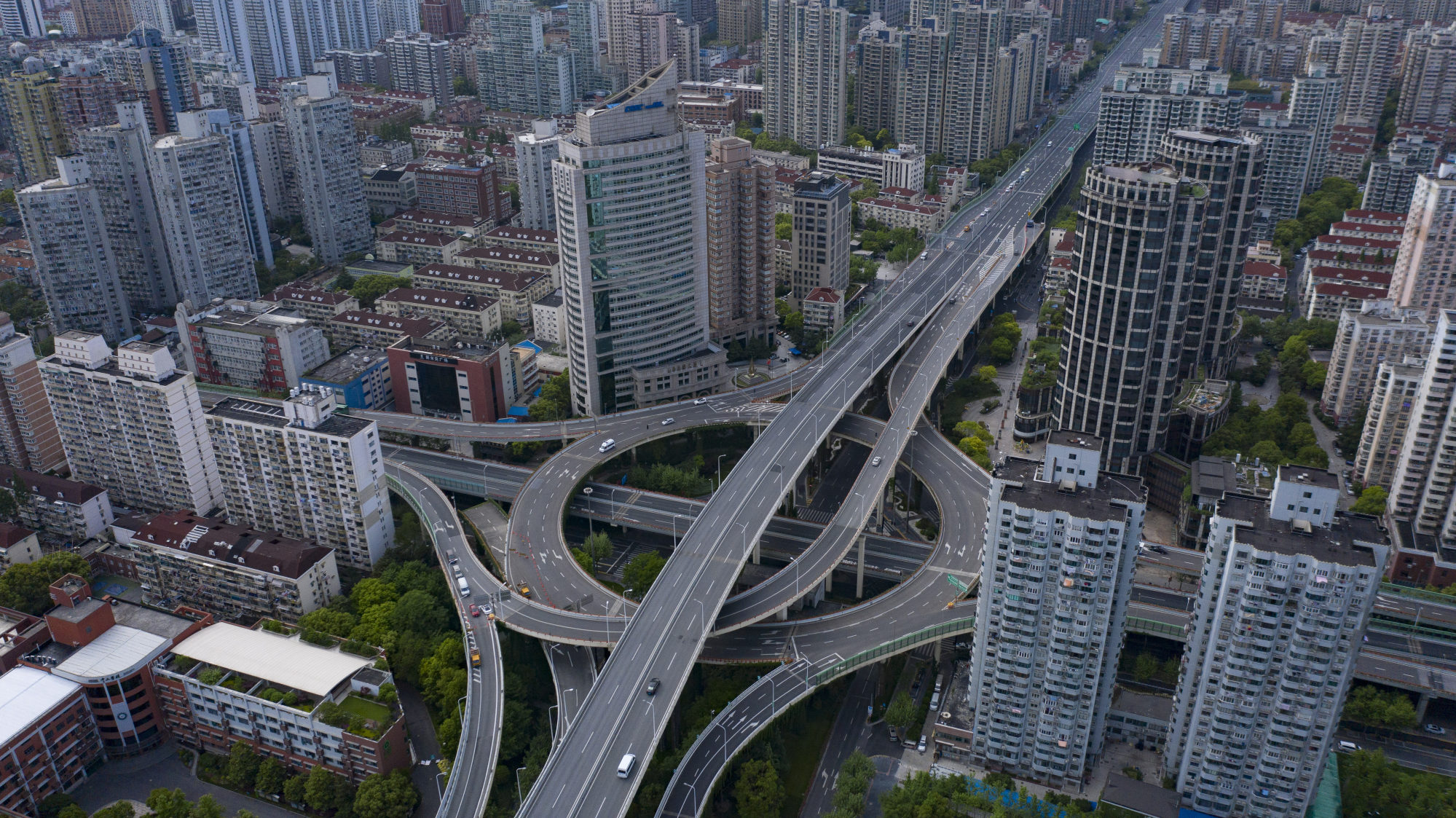
According to the researchers, the two-month shutdown had a different impact on Shanghai compared with other cities and played a key role in the sudden erosion of public trust in the central government.
“Unlike residents of other cities who were largely muted, those in Shanghai managed to make their voices heard,” the researchers wrote.
“They kept exposing the increasingly insane control measures and the resulting widespread suffering and mounting discontent through audio and video clips on social media platforms like Weibo, WeChat, and Douyin.
“As social media pierced the information bubble bloated by censorship, the voices from Shanghai revealed to people across the country what was actually happening.”
According to the researchers, the impact of Shanghai’s lockdown was key to the widespread protests that broke out in November 2022 across several cities, including Shanghai, Beijing and Chengdu.
Protesters called for an easing of the harsh Covid-19 restrictions – with some advocating for political change – after people gathered to mourn the deaths of 10 people in a fire in a block of flats in Xinjiang that was reportedly under lockdown.
Beijing has consistently argued that both its pursuit of zero-Covid and the abrupt relaxation of controls were the right decisions.
However, the researchers noted that “a policy that initially boosts public confidence in the central government can end up causing a potentially unrecoverable loss of trust in the top leader”.
Discover more from PressNewsAgency
Subscribe to get the latest posts sent to your email.