

WASHINGTON, June 16 (Reuters) – Daniel Ellsberg, the US military analyst whose change of heart on the Vietnam War led him to leak the classified “Pentagon Papers”, which reveal US government deception. about the war and unleash significant freedom of expression. the press battle, he died Friday at the age of 92, his family said in a statement.
Ellsberg, who had been diagnosed with inoperable pancreatic cancer in February, died at his home in Kensington, California, the family said.
Long before Edward Snowden and Wikileaks revealed government secrets in the name of transparency, Ellsberg let Americans know that their government was capable of deceiving and even lying to them. In his later years, Ellsberg would become an advocate for whistleblowers and leakers, and his leak of the “Pentagon Papers” was portrayed in the 2017 film “The Post.”
Ellsberg secretly went to the media in 1971 hoping to hasten the end of the Vietnam War. He made him the target of a smear campaign by the Nixon White House. Henry Kissinger, who was then the president’s national security adviser, referred to him as “the most dangerous man in America who must be stopped at all costs.”
When he went to Saigon for the State Department in the mid-1960s, Ellsberg had an impressive resume. He earned three degrees from Harvard, served in the Marine Corps, and worked at the Pentagon and RAND Corporation, the influential policy research think tank.
He was a dedicated Cold War warrior and a hawk in Vietnam at the time. But Ellsberg, in his 2003 book, “Secrets: A Memoir of Vietnam and the Pentagon Papers,” said he was only a week into a two-year tour of duty in Saigon when he realized the United States was in a war. that not win
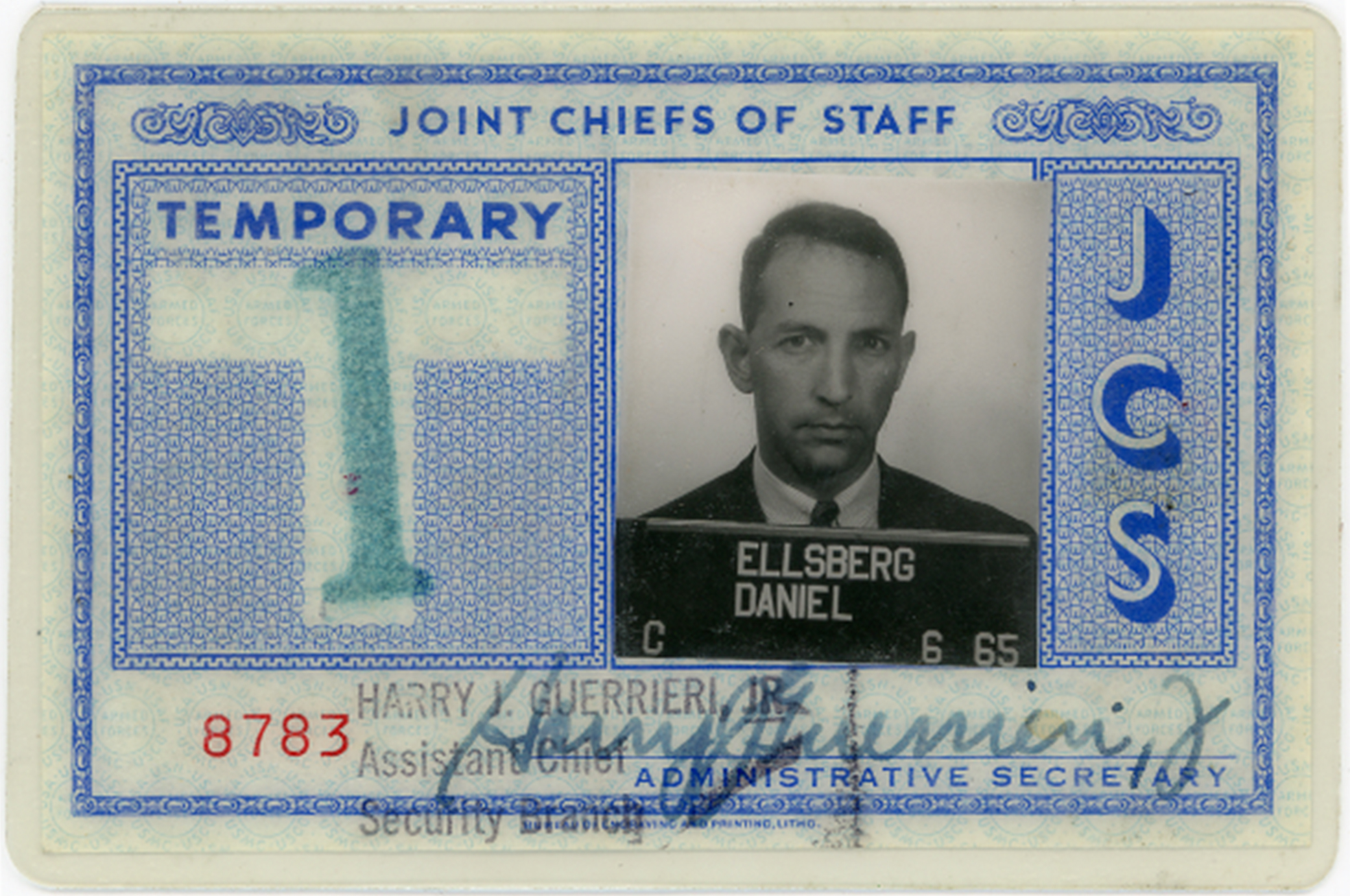
Meanwhile, at the behest of Secretary of Defense Robert McNamara, Pentagon officials had been secretly producing a 7,000-page report covering US involvement in Vietnam from 1945 to 1967. When it was completed in 1969, two of the 15 published copies were for the RAND Corporation. , where Ellsberg was working once again.
ANTI-WAR RALLYS
With his new perspective on the war, Ellsberg began attending peace rallies. He said he was inspired to copy the “Pentagon Papers” after hearing an antiwar protester say he was eager to go to prison for resisting the draft.
Ellsberg began sneaking the top-secret study out of the RAND office and copying it overnight on a rented Xerox machine, using his 13-year-old son and 10-year-old daughter as assistants. He took the documents with him when he moved to Boston to work at the Massachusetts Institute of Technology and ended up working on them for a year and a half before turning pages to The New York Times.
The Times published its first installment of the “Pentagon Papers” on June 13, 1971, and President Richard Nixon’s administration moved quickly to have a judge stop the publication. Nixon’s claim to executive authority and the invocation of the Espionage Act sparked a press freedom fight over extreme prior restriction censorship.
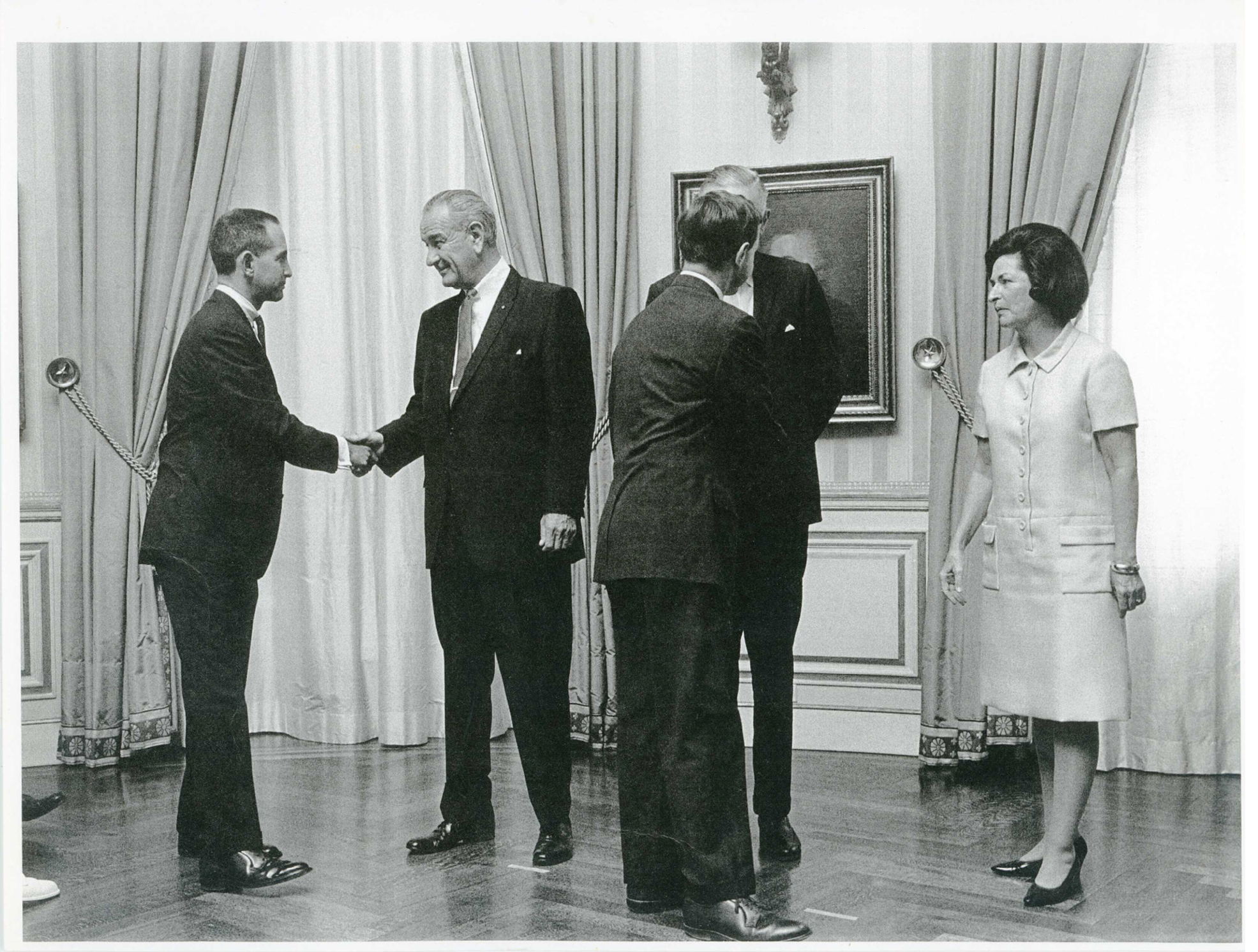
Ellsberg’s next move was to hand over the “Pentagon Papers” to the Washington Post and more than a dozen other newspapers. In New York Times vs. In the US, the Supreme Court ruled less than three weeks after first publication that the press had the right to publish the documents, and the Times did so again.
The study said that US officials had concluded the war was unlikely to be winnable and that President John F. Kennedy approved plans for a coup to overthrow the South Vietnamese leader. He also said that Kennedy’s successor, Lyndon Johnson, had plans to expand the war, including bombing North Vietnam, even though he said during the 1964 campaign that he would not. Newspapers also revealed the secret US bombing of Cambodia and Laos and that the casualty figures were higher than reported.
IN THE RACE
The Times never said who leaked the documents, but the FBI quickly found out. Ellsberg remained underground for about two weeks before surrendering at Boston.
“I felt that as an American citizen, as a responsible citizen, I could no longer cooperate to hide this information from the American public,” Ellsberg said at the time. “I did this clearly at my own risk and I am prepared to bear the full consequences of this decision.”
He would say he was sorry he hadn’t leaked the papers sooner.
Although the “Pentagon Papers” did not cover Nixon’s handling of Vietnam, the White House “plumbing” unit, which would later carry out the Watergate raid that led to Nixon’s downfall, he was ordered to stop further leaks and discredit Ellsberg.
Two and a half months after the first publication, two men who later figured prominently in Watergate, G. Gordon Liddy and E. Howard Hunt, broke into the Ellsberg psychiatrist’s office looking for incriminating evidence.
Ellsberg and a RAND colleague were eventually charged with espionage, theft, and conspiracy. But at his 1973 trial, the case was thrown out for government misconduct when the break-in was revealed.
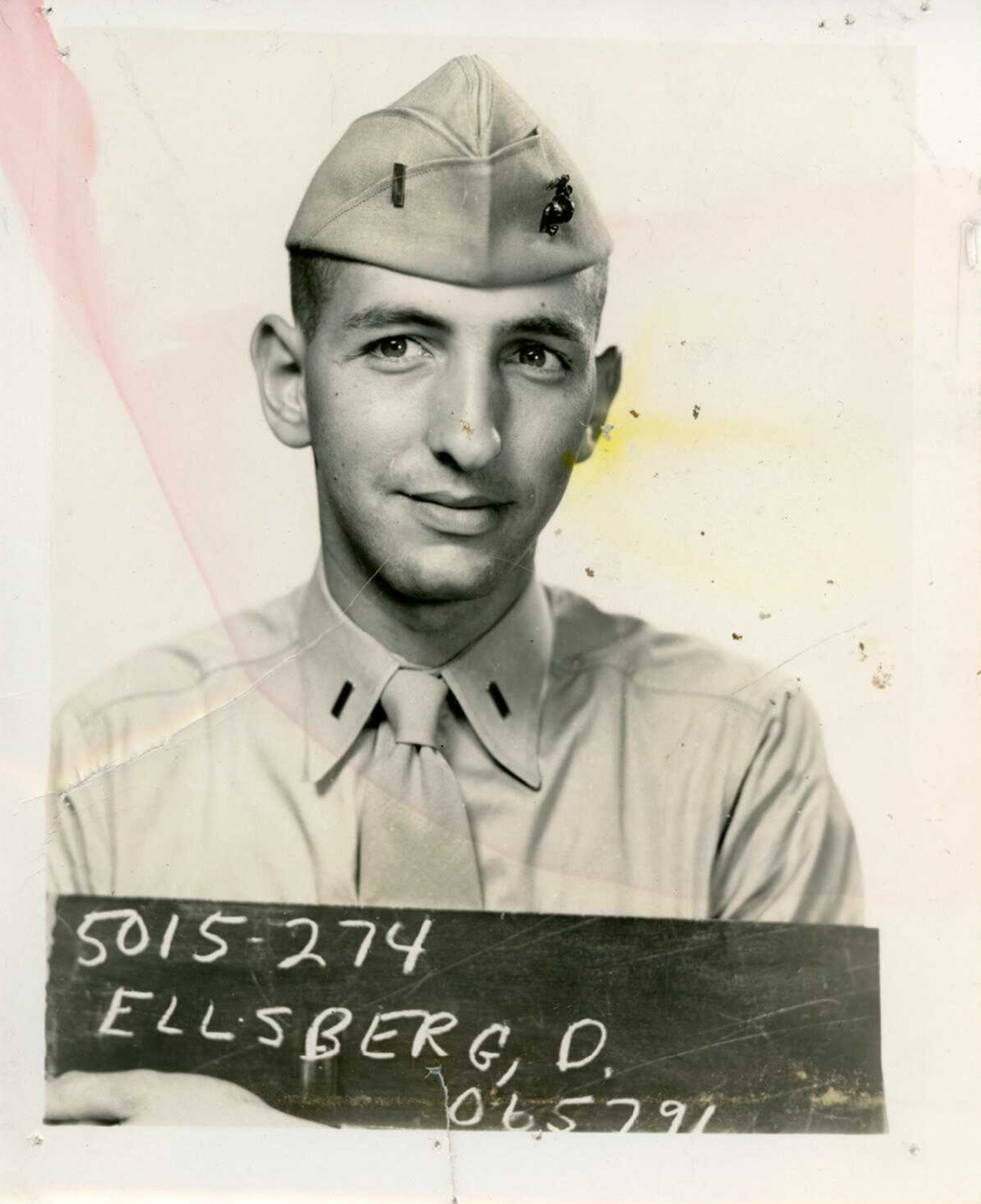
In his later years, Ellsberg, who was born on April 7, 1931 in Chicago, Illinois, became a writer and speaker campaigning for open government and against the proliferation of nuclear weapons.
He said Snowden, a National Security Agency contractor who provided journalists with thousands of classified documents about government intelligence gathering before fleeing the country, had done nothing wrong. He also said that he considered Army soldier Chelsea Manning a hero for turning over a trove of government files to WikiLeaks.
His books include “The Doomsday Machine: Confessions of a Nuclear War Planner” in 2017 and “Secrets: A Memoir of Vietnam and the Pentagon Papers” in 2002.
The once top-secret documents that Ellsberg brought to the mainstream can be read online at http://www.archives.gov/research/pentagon-papers/.
Ellsberg had been married twice, first to Carol Cummings, with whom he had two children. That marriage ended in divorce. His second marriage was to Patricia Marx, with whom he had a son.
Writing and reporting by Bill Trott; Additional reporting by Kanishka Singh; Edited by Dan Grebler and Diane Craft
Our standards: The Thomson Reuters Trust Principles.
Discover more from PressNewsAgency
Subscribe to get the latest posts sent to your email.