

National Highways has launched a major investigation into a little-known motorway danger after new figures revealed the number of serious crashes involving Heavy Goods Vehicles.
The organisation is working with road safety experts from across Europe, including Euro NCAP, to examine crashes where cars slam into the back of lorries on England’s motorways and major A-roads.
Sweden‘s transport authority and Germany’s largest motoring organisation, ADAC, joined the project after raising similar concerns about these types of collisions.
The research follows worrying new data showing that although HGVs made up just 10 per cent of traffic on England‘s strategic road network in 2024, they were involved in almost one in five crashes that caused death or serious injury.
Rear-end crashes were the most common type of HGV collision, making up 39 per cent of all incidents involving lorries. In total, there were 160 crashes last year where a car or smaller vehicle hit the back of an HGV.
These collisions were particularly serious, with almost one in five deaths or serious injuries linked to HGVs happening in this type of crash.
Overall, there were 1,151 crashes involving at least one Heavy Goods Vehicle on England‘s strategic road network during 2024.
To better understand the issue, researchers carried out two rounds of crash testing earlier this year.
160 crashes last year involved a car or smaller vehicle hitting the back of an HGV
|
NATIONAL HIGHWAYS
The first set of tests examined whether advanced emergency braking systems in modern cars could recognise the rear of different HGV trailers. The results showed that performance varied depending on the design of the trailer.
Older versions of the technology were found to struggle the most, with some systems failing to detect the lorry altogether.
When this happened, the automatic emergency braking system did not activate, meaning drivers were left without the safety feature designed to avoid or reduce the impact of a crash.
Advanced emergency braking systems monitor the road ahead, warn drivers if a collision is likely and automatically apply the brakes if the driver does not react in time.
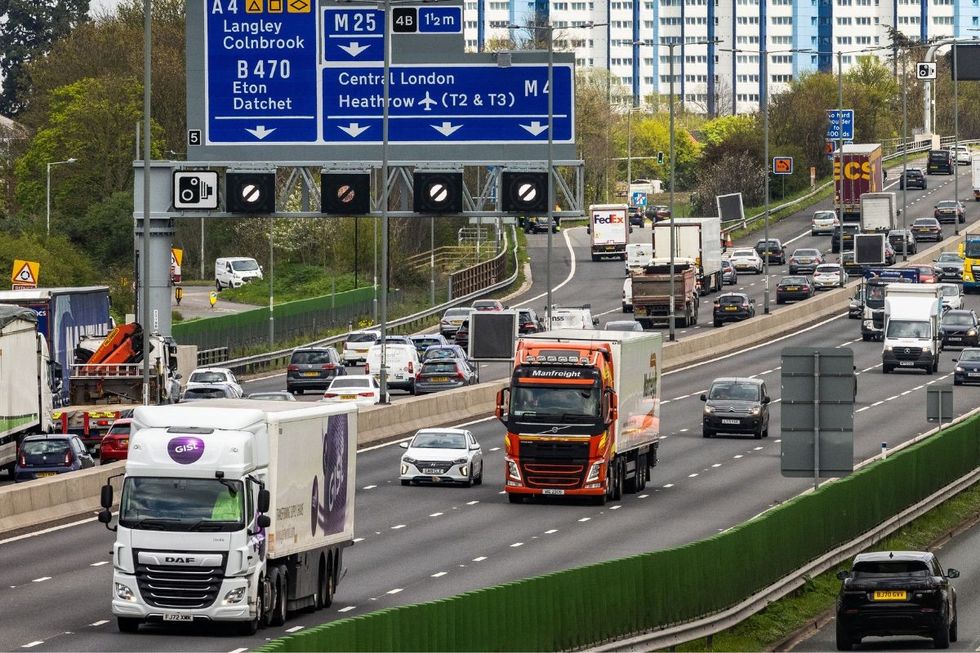
Rear-end crashes were the most common type of HGV collision
|
GETTYThe second round of testing looked at rear underrun protection bars – the metal bars fixed to the back of lorries that are designed to stop cars sliding underneath trailers during a crash.
Researchers compared bars that meet international safety standards with similar tests carried out in the US.
Although the tests confirmed that rear underrun protection can reduce the severity of crashes, they also revealed important weaknesses.
Several of the bars failed to stop test vehicles from travelling underneath the trailers, something researchers said would likely result in severe injuries for people inside the car.
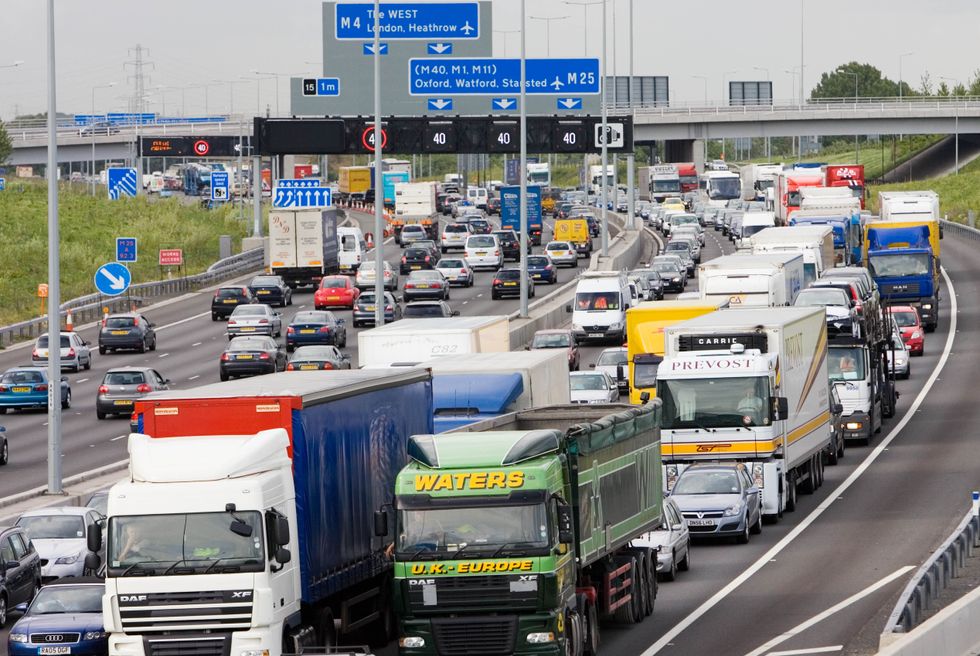
The findings will feed into the Government’s new Road Safety Strategy
|
GETTYRoads and Buses Minister Simon Lightwood said: “Every death on our roads is a tragedy, which is why I am pleased to see National Highways taking the initiative with this vital research.”
The findings will feed into the Government‘s new Road Safety Strategy, the first in more than 10 years, which aims to cut road deaths and serious injuries by 65 per cent by 2035.
Sheena Hague, Director of Road Safety at National Highways, said the research would help improve safety for everyone using the road network.
She said: “Collisions where smaller vehicles run into the back of HGVs can have devastating consequences. This testing helps build a clearer understanding of how and why they happen, so we can work with our partners to take practical steps to prevent them or reduce their impact.”
Discover more from PressNewsAgency
Subscribe to get the latest posts sent to your email.