Hong Kong’s start-ups excel in fintech, e-commerce and logistics, sectors that are in high demand in Southeast Asia. The region’s large unbanked population and fragmented logistics networks present significant opportunities for fintech and logistics solutions. Hong Kong’s expertise in these areas can address these challenges, driving financial inclusion and streamlining supply chains.
Moreover, Hong Kong’s start-up ecosystem is characterised by a high level of professionalism and adherence to international standards. This positions Hong Kong start-ups as reliable partners for Southeast Asian businesses. Collaborations can lead to the development of tailored solutions that address local needs while maintaining global competitiveness.
Multiple tech companies from Hong Kong have successfully expanded into Southeast Asia, including fintech platform WeLab, logistics firm Lalamove and AI company Fano Labs. Travel platform Klook is an example of a business-to-consumer success, while fintech start-up KPay excels in business-to-business services.
03:12
Singapore reverses downward-population trend, while Hong Kong exodus continues
Singapore reverses downward-population trend, while Hong Kong exodus continues
There is a narrative that often pits Hong Kong and Singapore against each other. However, this rivalry overlooks the potential for collaboration that can benefit both regions. By shifting our perspective towards a collaborative approach, we can unlock new avenues for growth and innovation.
To succeed in Southeast Asia, Hong Kong start-ups must evaluate their fit for the market in three key areas: product, infrastructure and go-to-market strategy.
It is essential to ensure the product addresses a specific pain point in Southeast Asia. For example, payment companies capitalising on credit card acceptance in Hong Kong might need to adapt to lower card penetration rates in Southeast Asia and offer solutions such as direct bank transfers.
Infrastructure, encompassing both product and regulatory aspects, is another critical factor. From a product perspective and using logistics as an example, Hong Kong has advanced warehousing facilities, efficient transport networks and robust digital systems.
In contrast, Southeast Asia has varied levels of development, with some areas lacking reliable internet connectivity and developed transport networks. A logistics management platform must assess its ability to operate in these environments, possibly requiring offline capabilities, local partnerships and compliance with product-related regulations.
On the regulatory side and using fintech as an example, companies face different licensing requirements across Southeast Asia. This means ensuring compliance with local laws and obtaining the necessary licences to operate legally and effectively in each market.
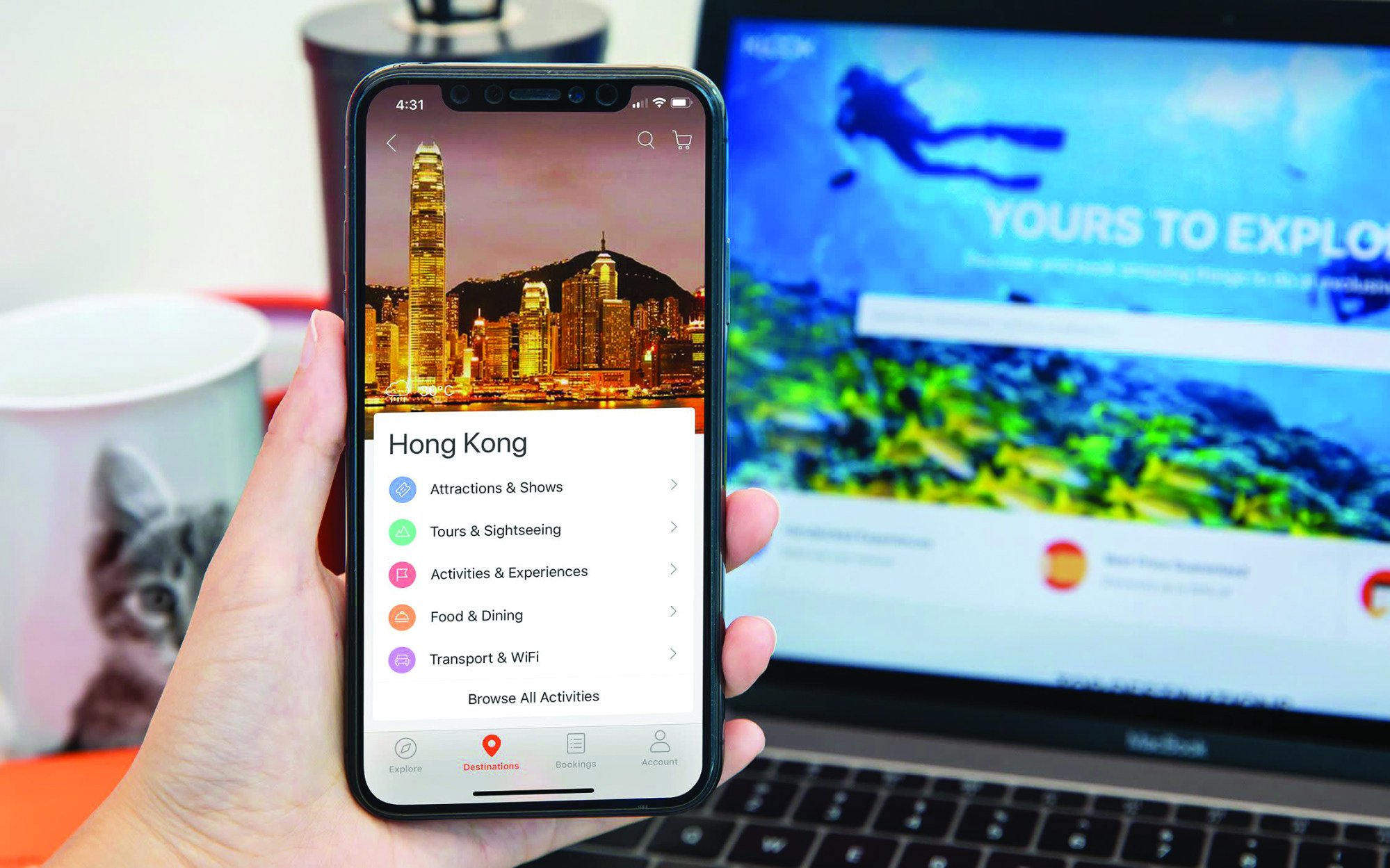
Travel platform Klook is one example of a Hong Kong start-up firm which has successfully expanded into Southeast Asia. Photo: Handout
Understanding different demographics and behaviours is crucial for developing an effective go-to-market strategy. For instance, an organic skincare product company might position itself as a luxury brand in Hong Kong, leveraging high-end retail partnerships and sophisticated digital marketing channels. In Southeast Asia, the strategy might focus on e-commerce platforms such as Lazada and Shopee, influencer marketing on social media and competitive pricing to reach a broader audience.
Expanding into Southeast Asia is not without its challenges. The region’s diverse markets require a nuanced understanding of local cultures, regulations and business practices. However, these challenges can be navigated with a strategic approach and a commitment to building strong local partnerships.
Building strong relationships with local partners can also facilitate market entry and expansion, providing valuable insights and support. The shift from competition to partnership is the key to unlocking unprecedented growth. By focusing on collaboration, Hong Kong start-ups can leverage cost efficiencies, access new markets and drive innovation.
This win-win scenario can strengthen the start-up ecosystem of Hong Kong and contribute to the broader economic development of Southeast Asia.
By embracing the opportunities in Southeast Asia, Hong Kong start-ups can weather current challenges, open new avenues for growth and innovation, and take a more constructive view of their role in the global start-up landscape.
Kelvin KF Leung covers growth investments for Openspace and is the firm’s head of Hong Kong coverage
We use cookies on our website to give you the most relevant experience by remembering your preferences and repeat visits. By clicking “Accept”, you consent to the use of ALL the cookies.
This website uses cookies to improve your experience while you navigate through the website. Out of these, the cookies that are categorized as necessary are stored on your browser as they are essential for the working of basic functionalities of the website. We also use third-party cookies that help us analyze and understand how you use this website. These cookies will be stored in your browser only with your consent. You also have the option to opt-out of these cookies. But opting out of some of these cookies may affect your browsing experience.
Necessary cookies are absolutely essential for the website to function properly. These cookies ensure basic functionalities and security features of the website, anonymously.
Cookie
Duration
Description
cookielawinfo-checbox-analytics
11 months
This cookie is set by GDPR Cookie Consent plugin. The cookie is used to store the user consent for the cookies in the category "Analytics".
cookielawinfo-checbox-functional
11 months
The cookie is set by GDPR cookie consent to record the user consent for the cookies in the category "Functional".
cookielawinfo-checbox-others
11 months
This cookie is set by GDPR Cookie Consent plugin. The cookie is used to store the user consent for the cookies in the category "Other.
cookielawinfo-checkbox-necessary
11 months
This cookie is set by GDPR Cookie Consent plugin. The cookies is used to store the user consent for the cookies in the category "Necessary".
cookielawinfo-checkbox-performance
11 months
This cookie is set by GDPR Cookie Consent plugin. The cookie is used to store the user consent for the cookies in the category "Performance".
viewed_cookie_policy
11 months
The cookie is set by the GDPR Cookie Consent plugin and is used to store whether or not user has consented to the use of cookies. It does not store any personal data.
Functional cookies help to perform certain functionalities like sharing the content of the website on social media platforms, collect feedbacks, and other third-party features.
Performance cookies are used to understand and analyze the key performance indexes of the website which helps in delivering a better user experience for the visitors.
Analytical cookies are used to understand how visitors interact with the website. These cookies help provide information on metrics the number of visitors, bounce rate, traffic source, etc.
Advertisement cookies are used to provide visitors with relevant ads and marketing campaigns. These cookies track visitors across websites and collect information to provide customized ads.