Wednesday, April 29, 2026

How to Start a Neighborhood Association

Some neighborhood associations muster around particular issues, like cleaning up Superfund sites, food security, housing, education or over-policing. Others handle more general community concerns, like development and beautification. Mutual aid and community emergency response are also frequently built into neighborhood associations. Whatever the issue, this work has been done somewhere before; devising a neighborhood association is, in part, a matter of shaping an existing blueprint (for example, the organizing guide published by the Citizens Committee) to your needs.

When considering how members of your neighborhood association will stay in touch, it’s helpful to look to networks that already exist. Communication lines that have been built up in response to the pandemic — Slack hubs or WhatsApp threads offering mutual aid, for example — likely have robust presences. Bed-Stuy Strong, a mutual aid group founded in March with upward of 3,500 members, recently published tips for creating a neighborhood-wide Slack (search for “How To Make A Slack Neighborhood Hub During COVID-19”). “When I pictured a WhatsApp group with a few thousand people on it, it just seemed so unbearably noisy. People’s needs might get lost,” said Sarah Thankam Mathews, the group’s organizer. Slack is easy to use and allows members to organize separate channels around specific issues or locations. “Bed-Stuy is a really big neighborhood; it’s allowed for a little bit of segmentation,” Ms. Mathews said.

But some members of your network might not have access to or be fluent in email or text; for that reason, having multiple methods of keeping in touch, and enacting a plan for who will keep everyone in the loop and how, can be helpful. “How do you reach the elderly and the homebound?” said Healy Chait, one of the organizers of the mutual aid group Invisible Hands. “It’s important not to forget you’re dealing with real people on the other end.”

You might consider clearly outlining purposes, boundaries and etiquette for your group chats — since ListServs sometimes go awry and the Best of Nextdoor Twitter account has become notorious.

Now that you’ve whittled down your agenda to a few shared priorities, it’s time to take it back out to the community to solicit additional feedback, which ensures people’s concerns are addressed and keeps the process transparent. While social distancing is in place, this can take the form of flyers and emails, or even safely going door-to-door. And, as recommended by the Idaho-based nonprofit PocatelloWorks, you might also consider how your neighborhood association fits into its wider region or into a network of other neighborhood associations. In Bed-Stuy, for example, the Bed-Stuy Works Alliance is a coalition of block associations throughout the neighborhood; in Red Hook, Brooklyn, the nonprofit Resilient Red Hook works with other organizations in the community to advocate for emergency and climate change preparedness.

After amassing contact information for the lower half of his road, Mr. Kahn-Harris consolidated his WhatsApp group with that of the upper half of the road, making a street-wide chat. Then, someone else set up a WhatsApp group with representatives from each of a cluster of such street groups. “It built up pretty organically,” he said.

The Citizens Committee has recommended “as little structure as possible — just enough to get the work done”; too much deliberating about structure can detract from actually accomplishing anything. Whatever it looks like, be deliberate about your leadership structure instead of allowing people to simply fall into roles. Otherwise, Mr. Ullah explained, the neighborhood association risks unintentionally replicating external power structures it intends to avoid.


Source link

Beyond the Instagram Black Square

For the last week, ever since the killing of George Floyd galvanized the world to confront not just the history of police brutality against black people but our own complicity in allowing it to happen, the social media feeds of fashion brands and influencers have filled up with black squares and statements of solidarity. And like many, I have been struck by how often they feel like a dutiful piece of corporate performance.

And I think about how many other ways fashion, an industry with a reach and economic power that goes far beyond clothes, could redesign its own approach in this particularly charged political and social moment.

I have, for example, been unable to stop thinking about Kerby Jean-Raymond’s 2016 Pyer Moss spring collection, shown at New York Fashion Week.

Mr. Jean-Raymond is part of a new wave of black designers who aren’t waiting for the establishment seal of approval but are simply doing it for themselves — and remaking the status quo in the process. In New York, Telfar by Telfar Clemons; Heron Preston; Christopher John Rogers. In London, Samuel Ross of A-Cold-Wall and Grace Wales Bonner. In Milan, Stella Jean. And in Paris, Kenneth Ize, who is Nigerian, and Thebe Magugu, from South Africa.

Mr. Jean-Raymond has been experiencing several breakout seasons, in part because he has fully embraced fashion’s ability to reshape culture, and he has been using his shows to highlight overlooked black contributions to history and “end the erasure of minorities and people of color,” as he once told The New York Times.

In 2015, Mr. Jean-Raymond did a show that put the Black Lives Matter movement front and center. It began with a 12-minute video about racism in America. He invited the families of victims of police brutality to sit in his front row and put editors behind them. Then he sent white work boots scrawled with names in black marker and blood down his runway; there were tailored jackets and tunics that had been ripped and rent asunder. The artist Gregory Siff live-tagged the clothes as they appeared with words like “breathe.”

It was something.

Mr. Jean-Raymond said it almost sunk his brand. Retailers dropped him. He got death threats. Some editors were mad about their seating demotion. Yet that collection is even more resonant today. It is also a reminder that five years ago fashion was faced with its own failings and did not rise to the occasion.

Today, as then, designers have a voice that is about much more than Instagram, or escapism. Hopefully more of them will use it.

That’s one side of the matter. But not all of it.

Modeling has made what seem like genuine strides forward — models of color open and close shows, the most prestigious slot; they get major ad campaigns, the most lucrative jobs. In early 2015, I wrote a story looking at how few black designers had been give the keys to the world’s biggest brands. This matters because designers control what we see in the end, and they are often the only employees allowed to speak publicly for said brands. Between then and now, not much has really changed.

Rihanna has her own brand at LVMH. Virgil Abloh is the Louis Vuitton men’s wear designer. But while Kering, the owner of Gucci and Saint Laurent and the second largest fashion conglomerate in the world, has made a powerful statement against racism and made meaningful donations to the N.A.A.C.P. and Campaign Zero, as well as starting diversity and inclusion councils for its brands, none of those brands have a creative director of color. Tapestry, the owner of Coach, Kate Spade and Stuart Weitzman, is the only fashion group with a black chief executive: Jide Zeitlin.

Until the executive suite changes, it is hard not to feel that a lot of the statements and initiatives are still words and intentions, not reality. And we are left with suspicions and investigations: How much of what they say do they actually put into practice?

One of the problems is that big brands traditionally allow only two people — the designer and the chief executive — to speak about their companies. Perhaps it is time to unmuzzle the staffs and encourage them to share their own lived, individual experiences. In its statement, PVH, the parent company of Calvin Klein and Tommy Hilfiger, did not just take a stand or announce a donation (though they did both), but it also gave space to two black employees (one from human resources, one from marketing). It’s a start.

So is a new initiative from the Council of Fashion Designers of America to create an employment program that it says is “specifically charged with placing black talent in all sectors of the fashion business,” as well as mentorship and internship programs.

Fashion likes to control its messaging, to frame its image and images in the glossiest, most perfect way possible. But pulling back the curtain, admitting imperfection and sharing it, may actually be the best look.

Plus, speaking of looks: Instead of posting about solidarity, celebrities could really affect change by wearing clothes by black designers (which they have bought) on the red carpet (when there is a red carpet again) instead of wearing brands that pay them to be walking advertisements. The earned media value in response to the question, “Who are you wearing?” would likely be worth a lot more than any donation.

And not just financially. For all of us.

Source link

Cool Off, Even Without a Deep End

0

The end of the school year is approaching, and the usual summer diversions like a trip to the local pool are most likely out of the question. (How can you reliably stay six feet apart in the water?)

Luckily, there are other ways to stay wet and cool, even without big group gatherings. Here are a few ideas for watery backyard fun, for children, or adults, short of putting in a pool.

To create your own sprinkler, Malva Gasowski, a parenting coach from Toronto, suggests modifying a hollow pool noodle. Plug up one end and poke some holes through the sides. Then, put your hose inside then open end and turn it on. “If you hang that from the tree, you’ll have like a pool noodle sprinkler,” she said. It’s also an impromptu outdoor shower, if you want to bring some biodegradable soap outside too.

For some good old-fashioned fun, organize a water balloon fight. To add some strategy to it, give each child a bucket with the same number of water balloons. Then let them hunt one another. It’s sort of capture the flag, sort of paintball, definitely dodge ball. At the end, each direct hit counts for a point.

You could also do a water-balloon piñata. This is about as simple as it sounds: Fill a balloon almost to bursting, and then let everyone take a whack. Or, fill a few. Divide your family into two teams, stationed at either end of a string of water balloons, each person spaced about a foot apart. (A clothesline will work just fine.) Each team member gets one whack to burst one balloon. The winner is whoever reaches the middle first.

Or, try a balloon toss. Each successful catch means a step back. Each drop means the participants have to take two steps forward. Give them each a spot 15 feet away from the starting point that they are trying to reach. They’ll have to work to cross their finish lines together.

Balloons, though, aren’t the most sustainable option. If you’re looking to reuse the game, let them throw sponges. They’ll still get wet, so who cares? If you want to add a little pizazz, make sponge water bombsby cutting chore sponges into strips and binding them in the middle with fishing line, so they look like flowers.

You could shell out for a real one. They run about $70.

Or, you could make your own. For a basic sliding surface, all you need is scissors, a few garbage bags, a hose and some tear-free baby shampoo or biodegradable liquid soap like Dr. Bronner’s. If there’s any sort of hill on your property, lay the bags out there. But before you do, make sure there aren’t any rocks or sticks that could bump your child in the wrong way.

The shampoo or liquid soap helps grease the plastic. Mix a few capfuls with a bucket of water and splash it over the plastic. Turn the hose on low, and have a ball.

Amity Messett, a 50-year-old who lives in Sauquoit, N.Y., has 10 children, ages 6 to 29. She and her husband first made their own Slip ’N Slide when they renewed their wedding vows a few years back. It was an off-the-beaten-path party activity, but she said the adults had more fun at the vow renewal ceremony than the kids did.

Afterward, she kept the high grade plastic and reuses it, year after year. Their slide is six millimeters thick, and 50 feet long.

Older children can surf on their bellies. Younger kids might have more fun on a pool float. “You just sit them on it, give them a push, and they have so much fun,” she said. “It’s kind of like a carnival ride. ”

If your child is science-minded, try for some ice archaeology.

Kate Terry, 43, an entrepreneur who lives in the Boston suburbs, froze dinosaur toys in quart-size yogurt containers for her 7-year-old daughter, then let her excavate the plastic animals.

“The traditional schooling has just been really hard during the pandemic,” said Ms. Terry, 43. “So we’ve been trying to follow her interests.”

Samara Kamenecka, 42, has two toddlers in Madrid. Now that they are allowed outside, she makes ice chalk by mixing washable paint and water in small paper cups with Popsicle sticks, and putting them in the freezer. Her children can then “paint” the driveway or sidewalk.

This a good one to try with another family — you can play together and still stay socially distant.

Have each family line up, facing each other from six feet apart. Put a full bucket at one end of each line and an empty one on the other. Each family member gets a cup. Transfer the water by pouring, down the line. Compete on time and accuracy. You get points for finishing first, but whoever has more water in the once-empty bucket by the end wins. Measure with a yardstick, so there’s no cheating.

If you have older kids, you can make it more challenging. Melissa Scatena, 27, the chief executive of Scattered Solutions, an online learning platform for children, suggests cutting a hole in the bottom of each cup. That way, speed matters even more.

“Everyone gets wet and it ends up being a race,” said Ms. Scatena, who lives in Philadelphia. “It’s something you can do with your neighbors.”

Play Duck, Duck, Goose but wet. Sit in a circle, and give one person a bucket. That person drips water onto each person’s head as he or she goes around the outside of the circle, then pours it over someone’s head. The soaked person chases that one around the circle. Whoever gets to the open seat first wins.

Tips: Pick a big enough container to make a splash, but not so big the dropped upon person is totally soaked, and make sure it’s plastic so it doesn’t break during the game. And, even if it’s just a few of you, space out the circle. Sit so your fingertips can’t touch to make for a longer run.

Source link

Don’t Lose the Thread. The Economy Is Experiencing an Epic Collapse of Demand.

Despite it all — a nation on edge, with an untamed pandemic and convulsive protests over police brutality — for the first time in three months there is a scent of economic optimism in the air.

Employers added millions of jobs to their payrolls in May, and the jobless rate fell, a big surprise to forecasters who expected further losses. Businesses are reopening, and the rate of coronavirus deaths has edged down. The Trump administration has begun pointing to what are likely to be impressive growth numbers as the economy starts to pull out of its deep hole.

All of that is good news, and far better than the alternative of a continuing collapse in economic activity. But it also creates a risk: distraction and complacency.

You can already sense in the public debate over the economy that people are starting to lose the thread — viewing the slight rebound from epic collapse as a sign that a crisis has been averted. That certainly is the kind of optimism evident in the stock market, which is now down a mere 1.1 percent for the year.

But there are clear signs that the collapse of economic activity has set in motion problems that will play out over many months, or maybe many years. If not contained, they could cause human misery on a mass scale and create lasting scars for families.

The fabric of the economy has been ripped, with damage done to millions of interconnections — between workers and employers, companies and their suppliers, borrowers and lenders. Both the historical evidence from severe economic crises and the data available today point to enormous delayed effects.

“There’s a lot of denial here, as there was in the 1930s,” said Eric Rauchway, a historian at the University of California, Davis, who has written extensively about the Great Depression. “At the beginning of the Depression, nobody wanted to admit that it was a crisis. The actions the government took were not adequate to the scope of the problem, yet they were very quick to say there had been a turnaround.”

Though it may not attract the attention that reopening beaches and a soaring stock market might, the evidence is everywhere if you look closely.

Consider those seemingly great new employment numbers. It is clear that many workers who were temporarily laid off in March and April returned to work in May, such as employees at once-closed restaurants that opened up, or construction workers who returned to job sites.

But it still left the economy with 19.55 million fewer jobs than existed in February. And the rebound came in part thanks to more than $500 billion in federal aid to small businesses offered on the condition that workers be retained, under the Paycheck Protection Program.

Other data points to a severe but slower-moving crisis of collapsing demand that will affect many more corners of the economy than those that were forced to close because of the pandemic.

New orders for manufactured goods, for example, remained in starkly negative territory in May, according to the Institute for Supply Management; its index came in at 31.8, far below the level of 50 that is the line between expansion and contraction.

And despite the net gain in employment in May, there have been many announced layoffs at companies outside sectors directly affected by the pandemic. This suggests that the forced shutdown of travel, restaurant and related industries is rippling out into a broad-based shortage of demand in the economy.

Consider just a partial list of large well-known companies unaffected by the direct first-round effects of pandemic-induced shutdowns, but which have since announced layoffs: Chevron, I.B.M. and Office Depot.

Last week, the Congressional Budget Office tried to put a number on the aggregate economic activity that will be lost over the next decade compared with what was projected at the start of the year. That number is $15.7 trillion, reflecting both less economic activity and deflationary forces that reduce prices.

That is 5.3 percent less “nominal” output, meaning not adjusted for inflation, than had been forecast. For comparison, from 2008 to 2018, total nominal output came in 6 percent below the level the C.B.O. had forecast at the start of 2008.

We know how miserable that economic crisis and sluggish recovery were, with long-term costs to earnings and well-being. The C.B.O. is now forecasting that the next decade will be nearly as bad — but emphasizes that policy choices will shape how things actually evolve.

The economy is a gigantic machine in which one person’s consumption spending generates someone else’s income. The pandemic began by crushing the economy’s productive capacity — a shock to the supply side of the economy, as many types of business activity were shut down for public health concerns.

In normal times, when there is a negative supply shock (say, a year of drought that reduces agricultural crops, or new tariffs that make imports more expensive), the pain can be intense for people in sectors directly affected, yet the economy as a whole adjusts.

But this crisis is so large and so sudden that the usual adjustment mechanisms aren’t working very well.

The people losing their jobs because of shutdowns cannot easily find new ones, because so much of the economy is shuttered at the same time. The businesses in danger of closing have cut every possible expense: A hotel isn’t going to invest in new furniture or new reservation software right now. And consumer demand for some seemingly safe goods falls because those goods are complements to the sectors that are shut down.

“Hotels are locked down, so people buy fewer cars because they don’t need to travel as much,” said Veronica Guerrieri, an economist at the University of Chicago Booth School of Business. “Restaurants are locked down, so people don’t need fancy clothes because they don’t want to go out as much.”

The result is that what started as a disruption to the supply side of the economy has metastasized into a collapse of the demand side, she and co-authors say in a recent working paper. They call it a Keynesian supply shock: an inversion of the demand-driven crisis of the Great Depression described by the great economist of that era, John Maynard Keynes.

“Demand is interrelated with supply,” said Iván Werning, an M.I.T. economist and a co-author of the paper. “It’s not a separate concept.”

The demand shock, with lagged effects, is only beginning to hurt major segments of the economy, like sellers of capital goods that are experiencing plunging sales; state and local governments that are seeing tax revenues crater; and landlords who are seeing rent payments dry up.

  • Updated June 5, 2020

    • How many people have lost their jobs due to coronavirus in the U.S.?

      The unemployment rate fell to 13.3 percent in May, the Labor Department said on June 5, an unexpected improvement in the nation’s job market as hiring rebounded faster than economists expected. Economists had forecast the unemployment rate to increase to as much as 20 percent, after it hit 14.7 percent in April, which was the highest since the government began keeping official statistics after World War II. But the unemployment rate dipped instead, with employers adding 2.5 million jobs, after more than 20 million jobs were lost in April.

    • Will protests set off a second viral wave of coronavirus?

      Mass protests against police brutality that have brought thousands of people onto the streets in cities across America are raising the specter of new coronavirus outbreaks, prompting political leaders, physicians and public health experts to warn that the crowds could cause a surge in cases. While many political leaders affirmed the right of protesters to express themselves, they urged the demonstrators to wear face masks and maintain social distancing, both to protect themselves and to prevent further community spread of the virus. Some infectious disease experts were reassured by the fact that the protests were held outdoors, saying the open air settings could mitigate the risk of transmission.

    • How do we start exercising again without hurting ourselves after months of lockdown?

      Exercise researchers and physicians have some blunt advice for those of us aiming to return to regular exercise now: Start slowly and then rev up your workouts, also slowly. American adults tended to be about 12 percent less active after the stay-at-home mandates began in March than they were in January. But there are steps you can take to ease your way back into regular exercise safely. First, “start at no more than 50 percent of the exercise you were doing before Covid,” says Dr. Monica Rho, the chief of musculoskeletal medicine at the Shirley Ryan AbilityLab in Chicago. Thread in some preparatory squats, too, she advises. “When you haven’t been exercising, you lose muscle mass.” Expect some muscle twinges after these preliminary, post-lockdown sessions, especially a day or two later. But sudden or increasing pain during exercise is a clarion call to stop and return home.

    • My state is reopening. Is it safe to go out?

      States are reopening bit by bit. This means that more public spaces are available for use and more and more businesses are being allowed to open again. The federal government is largely leaving the decision up to states, and some state leaders are leaving the decision up to local authorities. Even if you aren’t being told to stay at home, it’s still a good idea to limit trips outside and your interaction with other people.

    • What’s the risk of catching coronavirus from a surface?

      Touching contaminated objects and then infecting ourselves with the germs is not typically how the virus spreads. But it can happen. A number of studies of flu, rhinovirus, coronavirus and other microbes have shown that respiratory illnesses, including the new coronavirus, can spread by touching contaminated surfaces, particularly in places like day care centers, offices and hospitals. But a long chain of events has to happen for the disease to spread that way. The best way to protect yourself from coronavirus — whether it’s surface transmission or close human contact — is still social distancing, washing your hands, not touching your face and wearing masks.

    • What are the symptoms of coronavirus?

      Common symptoms include fever, a dry cough, fatigue and difficulty breathing or shortness of breath. Some of these symptoms overlap with those of the flu, making detection difficult, but runny noses and stuffy sinuses are less common. The C.D.C. has also added chills, muscle pain, sore throat, headache and a new loss of the sense of taste or smell as symptoms to look out for. Most people fall ill five to seven days after exposure, but symptoms may appear in as few as two days or as many as 14 days.

    • How can I protect myself while flying?

      If air travel is unavoidable, there are some steps you can take to protect yourself. Most important: Wash your hands often, and stop touching your face. If possible, choose a window seat. A study from Emory University found that during flu season, the safest place to sit on a plane is by a window, as people sitting in window seats had less contact with potentially sick people. Disinfect hard surfaces. When you get to your seat and your hands are clean, use disinfecting wipes to clean the hard surfaces at your seat like the head and arm rest, the seatbelt buckle, the remote, screen, seat back pocket and the tray table. If the seat is hard and nonporous or leather or pleather, you can wipe that down, too. (Using wipes on upholstered seats could lead to a wet seat and spreading of germs rather than killing them.)

    • Should I wear a mask?

      The C.D.C. has recommended that all Americans wear cloth masks if they go out in public. This is a shift in federal guidance reflecting new concerns that the coronavirus is being spread by infected people who have no symptoms. Until now, the C.D.C., like the W.H.O., has advised that ordinary people don’t need to wear masks unless they are sick and coughing. Part of the reason was to preserve medical-grade masks for health care workers who desperately need them at a time when they are in continuously short supply. Masks don’t replace hand washing and social distancing.

    • What should I do if I feel sick?

      If you’ve been exposed to the coronavirus or think you have, and have a fever or symptoms like a cough or difficulty breathing, call a doctor. They should give you advice on whether you should be tested, how to get tested, and how to seek medical treatment without potentially infecting or exposing others.


The government can’t wave a wand and bring back industries that are semi-permanently shuttered. That original supply shock can be fixed only as public health conditions allow sports arenas and the like to reopen.

But the government can act — and has acted — to try to keep demand for goods and services at pre-crisis levels. That, in turn, can smooth the path for other sectors to grow so that there is not a prolonged depression of jobs, income and investment, with a resulting reduction in the economy’s long-term potential.

In the early phase of the crisis, Congress expanded unemployment benefits, funneled hundreds of billions of dollars toward small businesses to keep workers on their payrolls, and supported state governments, among other steps. But much of this help is scheduled to expire this summer, absent further action — and the positive jobs numbers Friday led many Republicans on Capitol Hill allied with the Trump administration to suggest that they were reluctant to do more.

It is against his backdrop that some of the most influential — and fiscally conservative — voices in economic policy are saying that further aggressive spending is needed to prevent this shock from causing long-lasting damage to the economy.

“This is the time to use the great fiscal power of the United States to do what we can to support the economy and try to get through this with as little damage to the longer-run productive capacity of the economy as possible,” Jerome Powell, the Federal Reserve chair and a longtime fiscal hawk, said at a news conference in late April.

“Please, spend wisely, but spend as much as you can!” Kristalina Georgieva, the managing director of the International Monetary Fund, implored the world’s governments at an event in May. “And then, spend a bit more for your doctors, for your nurses, for the vulnerable people in your society.”

Both the Fed and the I.M.F. more typically act as brakes on fiscal profligacy. For Mr. Powell and Ms. Georgieva to effectively beg elected officials to stop a spiraling crisis reflects the unusual circumstances of this moment and the extraordinary risk they see if government action is inadequate to the job. Their comments are the equivalent of a normally debt-averse financial adviser urging a family to borrow more money to ride out a period of illness without suffering long-term financial damage.

When the crisis we now know as the Great Depression began in 1929, President Herbert Hoover started with denial, then tried blaming other countries, then argued that there was nothing the government could really do to contain the damage.

Eventually, the Hoover administration took more aggressive action, creating a large federal program of mass employment. “He gave a speech and said that 700,000 Americans were at work on federal public works, and it was bigger than anything that had done before,” Mr. Rauchway said. “And that was true, but it was at a time when more than seven million people were out of work.”

That crisis showed how when there are profound rips in the economic fabric, repairing them isn’t a simple job, it isn’t quick, and even what seems like a huge response often isn’t enough.

It’s great that the economy is ticking up from its shutdown of March and April. And the world right now is confusing and chaotic. But that makes it all the more important not to lose focus on fundamental forces that risk holding back the economy and that, if unchecked, could mean a second lost decade in this young century.

Source link

How to Have Friends Over

If you want to share, grill.

“Chips and dip are a terrible idea,” said Ms. Leininger, of the Tuck School. Ditto for any notions of making a big lasagna and letting people serve themselves. “If someone breathes over the lasagna and gets everyone else sick, you as a hostess would feel terrible,” she said.

Still, “there are gradients of risk,” she said. “Something hot off the grill poses the least of them.” If you want to provide cooked food, the best picks are grilled fish, meat or hot dogs. Have your guests pull their serving off the grill and walk away.

Don’t freak out about the bathroom.

If people spend three hours on your porch, chances are they are going to need to use the restroom. This consideration has dissuaded many potential hosts and guests. “The good news is that the bathroom, with a little bit of care, is not something you need to stress about,” Ms. Leininger said. “Send people in one at a time, have them wear a mask and wash the heck out of their hands.”

Whatever you can do as a host to promote hand washing is more important than anything else. Now is the time to buy lovely pump soaps and fun decorative towels. Lay out the towels and have your guests bring them back and put them in the trash outside. It might feel nerve-racking, “but this is primarily a respiratory disease,” said Ms. Leininger, meaning that it is mostly spread by air, not from surfaces. Between each guest’s use, you might want to clean your bathroom surfaces with disinfectant, just to be safe.

Limit your circle.

Follow local guidelines on gatherings, but know smallest is best.

“The more people you mix with, the greater the problem with mixing transmission histories,” said Jennifer Nuzzo, an associate professor in the Department of Environmental Health and Engineering and the Department of Epidemiology at the Johns Hopkins Bloomberg School of Public Health. “Not knowing who others have been socializing with is the riskiest component of getting together with people outside of your household.”

Kids are the hardest to keep distanced, so if your gathering includes them, perhaps get together in a park, and plan activities like baseball and kickball where social distance can be better maintained.

Remember that not everyone has the same notions about what it means to socially distance and may have different feelings about get-togethers. “It is important to give everyone grace,” Dr. Marcelin said. “Not everybody has the same attention to risk as you do.” So while biking with a friend might work for some, it may be unacceptable for others. “Just because you have differences does not give us any license to shame or stigmatize others for accepting different levels of risk,” she said.

Source link

Manchester City transfer news and rumours

0

Transfer news, rumours and gossip from the Etihad Stadium

Last Updated: 06/06/20 10:20am


The latest transfer news and gossip on the players linked with Manchester City – and those who could leave the club.

The latest players linked with a move to Manchester City…

Ismael Bennacer – Pep Guardiola has reportedly been in touch with Ismael Bennacer to convince him to join Manchester City. Bennacer has a £45m release clause in his AC Milan deal (RMC Sport, June 4)

Manchester United are prepared to rival City in pursuit of AC Milan midfielder Ismael Bennacer (La Source Parisienne, June 5)

Kalidou Koulibaly – Manchester City would spend big to sign the Napoli defender – but could sign him for less than his £87m release clause.

City have launched a note of interest with the president of Napoli, Aurelio De Laurentiis – and the defender’s price could drop as low as £62m due to the coronavirus pandemic (The Transfer Window Podcast, May 31)

Lucas Hernandez – Bayern Munich are prepared to offer defender Hernandez to Manchester City as part of a deal to sign Leroy Sane (Manchester Evening News, May 30)

Other players recently linked with a move to the Etihad Stadium…

  • Facundo Pellistri (Daily Mail, May 29)
  • Leon Bailey (Daily Mail, May 26)
  • Nelson Semedo (Daily Mail, May 23; Daily Express, May 25)
  • Cody Drameh (Mirror, May 20).
  • Thiago Almada (Sunday Express, May 17)
  • Edouard Michut (Sky Sports News, May 10)
  • Nnamdi Collins (Bild, May 8)
  • Aster Vranckx (Daily Mirror, May 6)
  • Mohamed Ihattaren (Calciomercato, May 5)
  • Lucas Martinez Quarta (Chinese national online news service, May 4)
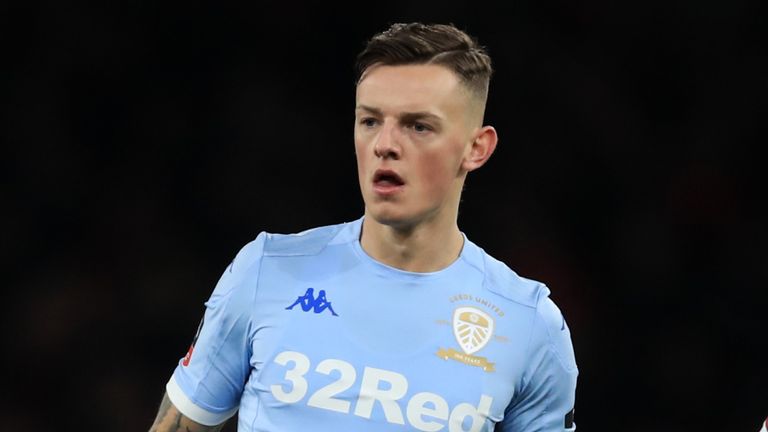
  • Ben White (The Athletic, April 28)
  • Facundo Pellistri (Goal, April 28)
  • Leonardo Bonucci (The Sun, April 27)
  • Ruben Dias (Daily Star, April 25)
  • Saul Niguez (Daily Mirror, April 24)
  • Milan Skriniar (Daily Express, April 22)
  • Kluiverth Aguilar (The Sun, April 20)
  • Raul Jimenez (ESPN, April 20)
  • Dayot Upamecano (Sky Sports, April 14)
  • Lautaro Martinez (Sunday Express, April 12).
  • Jonathan Tah (90min, April 11).
  • Houssem Aouar (Daily Mirror, April 8).
  • Lucas Martinez (Calciomercato, April 5).
  • Raphael Varane (Daily Star, April 4).
  • Douglas Costa (Calcio Mercato, April 4).
  • Harry Kane (Daily Mail, April 1).

The latest on players linked with a Man City exit…

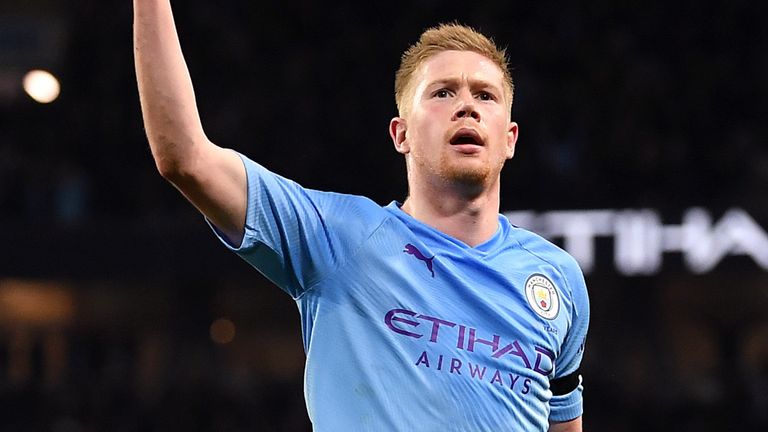
Kevin De Bruyne – The Belgian could look to leave Manchester City if the club’s Champions League suspension is upheld, Belgium boss Roberto Martinez has admitted (Daily Mail, June 6).

Leroy Sane – Bayern Munich have again risked the wrath of Manchester City by reigniting their public pursuit of Sane (The Sun, June 1); Bayern Munich’s pursuit has ramped up after head coach Hansi Flick held telephone conversations with the Man City winger (SportBild, April 29); Bayern Munich remain determined to sign Leroy Sane from Manchester City this summer despite the financial implications of the coronavirus pandemic (Sky in Germany, May 1).

Bayern Munich have made a £35m bid for Sane after agreeing terms on a five-year deal with the City winger (Daily Mirror, May 6); City have insisted they have yet to receive an offer for Sane from Bayern Munich and are prepared to allow the Germany international to enter the final year of his contract. (May 7, The Guardian); Sane has been told he must be prepared to take a huge pay-cut if he is to join Bayern Munich (Star, May 21).

Other players recently linked with a move away from City…

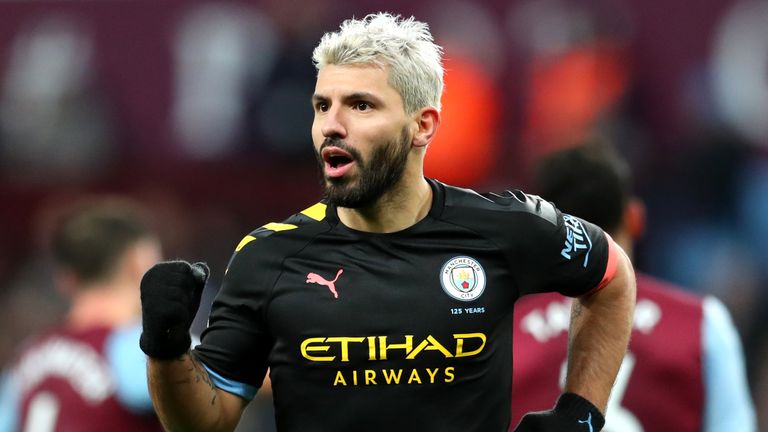
  • Sergio Aguero (Daily Star, May 23).
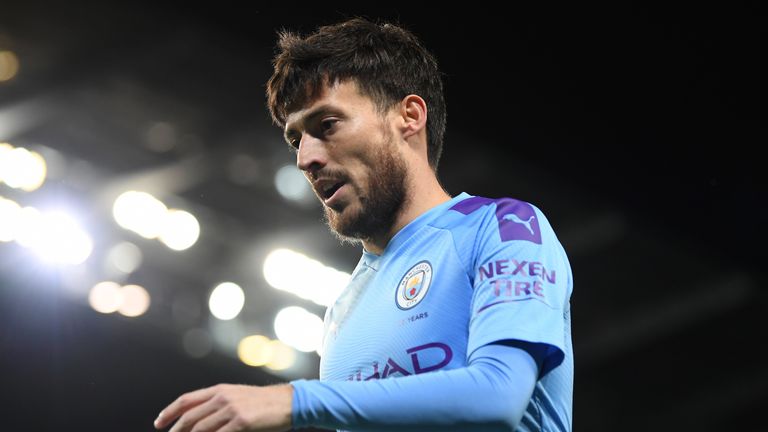
  • David Silva (The Times, May 14; ESPN, May 19)
  • Patrick Roberts (Yorkshire Evening Post, May 4)
  • Joao Cancelo (Daily Telegraph, April 10)
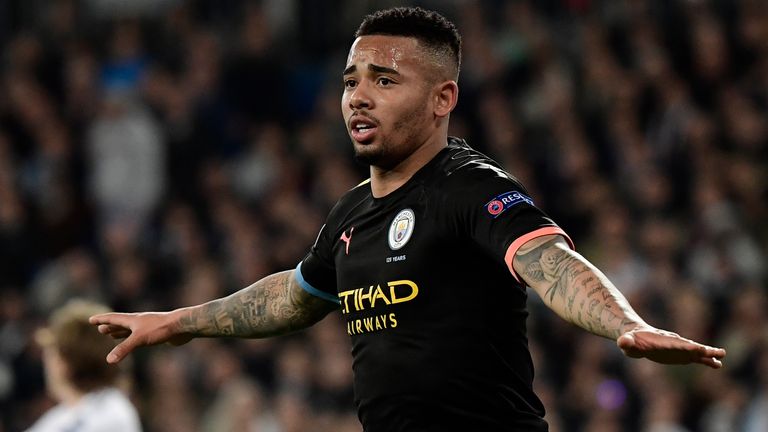
  • Gabriel Jesus (Calciomercato, March 25; Calciomercato, April 3)
  • Angelino (Kicker, April 9)
  • David Silva (The Athletic, April 9)
  • John Stones (Daily Star, March 28)
  • Jayden Braaf (Daily Express, March 16)
  • Riyad Mahrez (The Sun, March 17)
  • Yan Couto (Daily Express, March 19)

The latest Manchester City contract talk…

Eric Garcia – Manchester City are looking at opening contract talks with Garcia amid interest from Barcelona (Daily Mail, June 5)

Kevin De Bruyne – The Belgium international is reportedly ready to open contract talks with Manchester City (The Sun, May 29)

Gabriel Jesus – Manchester City are poised to hand the striker a new deal worth £120,000-per-week to block mounting interest from Juventus. (The Sun, May 16)

David Silva – The midfielder is willing to sign a short-term deal to complete the season with Manchester City. (Daily Mirror, May 16)

Raheem Sterling – The England international could miss out on a huge new deal at Manchester City due to coronavirus (Sunday Star, May 10)

Transfer Centre – follow the latest news with our live blog

Super 6: Sancho to Halt Hertha?

Do not miss your chance to land the £50,000 jackpot on Saturday. Play for free, entries by 2:30pm.


Source link

Melbourne protest organisers to cop fine

Police will fine Melbourne Black Lives Matter rally organisers $1652 each for breaching the directions of the chief health officer, as thousands turned out to call for an end to Aboriginal deaths in custody.

Victoria Police had earlier warned the Warriors of the Aboriginal Resistance they could face fines if they went ahead with the rally and on Saturday evening followed through on their warning.

“We remain concerned that such a large gathering has occurred without regard for the need to maintain social distance and will now consider what action should be taken in relation to the organisation and conduct of this unlawful gathering,” Assistant Commissioner Luke Cornelius said.

Wurundjeri woman Mandy Nicholson, who spoke at the rally, said it was ridiculous to fine people for fighting injustice and she would contest a fine if she received one.

“It’s a democratic right to protest,” Ms Nicholson told AAP.

“We also had police marching with us and talking with us.

“It was very peaceful and a life-changing event for not only black people but everyone.”

Mr Cornelius noted that although the meeting was unlawful, police were generally pleased with public behaviour.

“As of 5pm, there were no arrests made during the protest and we are not aware of any acts of violence or property damage,” he said.

“Police will continue to investigate the events of today to determine whether any further follow up enforcement activity is required.”

Melbourne rally organisers were resolute in holding the event despite Professor Brett Sutton warning just one COVID-19-positive person at the rally could squander the gains made during the virus lockdown. He asked Victorians not to attend the event.

Protesters turned up in their thousands.

All protesters wore a face mask while volunteers offered hand sanitiser and encouraged people to practise social distancing.

Indigenous speakers at the rally said global outrage over a police officer’s suffocation of Minneapolis man George Floyd had finally caused Australia to question its own systemic racism.

Family members of Aboriginal women and men who have died in custody spoke at the rally to share their pain and their hope for a better future.

More than 400 Aboriginal people have died in custody since 1991 after the Royal Commission into Aboriginal Deaths in Custody.

Wurundjeri leaders, whose native land is Melbourne, painted white ochre across their foreheads as a sign of mourning.

Aboriginal teenager Ky-ya Nicholson Ward told the crowd it had been a hard week dealing with everything happening in the world, but a video of an Aboriginal boy being slammed facedown to the ground by a NSW policeman was particularly disturbing.

Aboriginal people make up 28 per cent of the Australian prison population, 50 per cent of the youth detention population and only three per cent of the overall population, the 17-year-old said.

“We all bleed red because we are human,” another speaker said, to shouts of support from the crowd.

The Melbourne crowd let out a roar of approval when they heard the NSW Court of Appeal had authorised the concurrent Sydney demonstration, which had earlier been refused approval.

Source by [author_name]

Buffalo police officers quit in protest of colleagues’ suspension

All 57 members of a police tactical unit in Buffalo have resigned from their team to protest against the suspension of two colleagues who were filmed shoving a 75-year-old man to the ground, officials of the northern New York city said on Friday.

Two members of the Buffalo Police Department’s Emergency Response Team were suspended on Thursday and are being investigated after a local radio station released video of the incident involving the protester, Martin Gugino.

More: 

The video, which has been viewed more than 70 million times, shows the white-haired Gugino approaching a line of officers in riot gear. One officer pushes him with a baton and a second one with his hand. He falls, a crack is heard and blood trickles from his head, as officers walk by his still body.

Local media quoted Buffalo Police Benevolent Association President John Evans as saying the officers were doing their job, and that their colleagues on the response team had resigned from the special unit to protest against their treatment.

The 57 remain police officers, Buffalo Police Commissioner Byron Lockwood said in a statement. Evans could not be reached for comment.

Earlier on Friday, Kait Munro, a spokeswoman for the local county’s district attorney, said the two officers were under investigation for potential criminal liability in connection with Thursday evening’s incident outside city hall.

Buffalo Mayor Byron Brown told a news conference on Friday that contingency plans were in place to address any policing issues due to the resignations and he said state troopers were embedded with Buffalo police to shore up their operations.

“I can say that Buffalo will be safe this weekend,” he said.

Brown said Gugino had been “asked to leave numerous times” from the area because of the city’s curfew.
Prior to the incident “there were conflicts between protesters,” Brown said.

“There was a danger of fights breaking out between protesters, and the police felt it was very important to clear that scene for the safety of protesters.”


George Floyd memorial service held in US city of Minneapolis

Even so, the video footage has raised further questions about police behaviour, after the death of African American man George Floyd in Minneapolis set off nationwide street protests.

The video shows the majority of the officers marching past Gugino, though the officer who pushed him with a baton starts to lean over him before he is motioned away by another officer. Someone is heard calling for a medic.

New York Governor Andrew Cuomo said on Friday he had spoken with Gugino and was thankful he survived. Cuomo said the police chief should fire the officers involved.

“You see that video and it disturbs your basic sense of decency and humanity,” Cuomo told a daily briefing. “Why, why, why was that necessary? Where was the threat?”

Gugino, who is white, could not be reached. According to a community organiser who has known him for a decade, he is a longtime activist who has advocated for affordable housing, climate justice and police accountability, and regularly protested outside the Erie County Holding Center, a Buffalo jail that has come under scrutiny for a string of inmate deaths.

“I’ve been doing this work for around 10 years, and I can’t remember a protest Martin wasn’t at,” said John Washington, an organiser at People’s Action in Buffalo. “Whatever the issues of justice were, he stepped up and was always there.”

Washington said Gugino had gone to the demonstration to protest against brutality by police but “clearly” posed no danger to the officers. He said he had only been able to confirm Gugino was in stable condition.


SOURCE:
Reuters news agency

Source link

Ex-Defense Secretary: White House ‘Leading Us Down The Trail Toward A Dictatorship’

Former Defense Secretary William Cohen on Friday called out President Donald Trump’s violent rhetoric about anti-racism protesters, warning the White House is “leading us down the trail toward a dictatorship.”

Cohen argued to CNN’s “Newsroom” host Jim Sciutto that Trump’s dismissal of some protesters as “terrorists” meant that “he has no understanding of what the rule of law really means in this country.”

“He has declared he wants to be the ‘president of law and order,’ but that’s not what the declaration of this country is,” said Cohen, the GOP former senator for Maine who headed the Pentagon during Bill Clinton’s administration.

“If you go over to the Supreme Court, you see cut in stone, it is equal protection or equality under law, equality under law,” he explained. “So when he says law and order, he’s missing something, the word justice has to be there and that is what people of this country expect when they sign a contract with the U.S. government that there will be laws, there will be justice, and so law and order.’

Cohen then recalled a professor once telling him that “liberty without order is a mess, but order without liberty is a menace.”

“What I see taking place is the White House engaging in very menacing activity and leading us down the trail toward a dictatorship where it is only the law of rule, not the rule of law,” he added.


Source by [author_name]

Black Lives Matter, Sydney Protest

Black Lives Matter, Sydney Protest

53 Images

Protesters have taken to the streets in Sydney aiming to stop all black deaths in custody, and in solidarity with George Floyd, who was killed recently while in police custody in the US. At the last minute Black Lives Matter protesters in NSW had a Supreme Court ruling overturned, and the rally was declared legal.

1/53

Hundreds marched in Sydney to protest against the injustices of over 400 indigenous Australian deaths.Credit:James Brickwood

2/53

The black lives matter march in Sydney.Credit:Dominic Lorrimer

3/53

Protesters at the Black Lives Matter protest in Sydney against racism and police brutality.Credit:Janie Barrett

4/53

Black Lives Matter protest march in Sydney.Credit:James Brickwood

5/53

In Belmore Park is a memorial to indigenous man David Dungay who died in police custody, painted by Sydney man Jarred Eid. Thousands marched in Sydney to protest against the injustices of over 400 indigenous Australian deaths.Credit:James Brickwood

6/53

Yuin man, Warren Foster from Wallaga Lake, NSW. Thousands marched in Sydney to protest against the injustices of over 400 indigenous Australian deaths.Credit:James Brickwood

7/53

Sydney Black Lives Matter protest.Credit:Rhett Wyman

8/53

The black lives matter march in Sydney.Credit:Dominic Lorrimer

9/53

Protesters at the Black Lives protest in Sydney against racism and police brutality.Credit:Janie Barrett

10/53

Thousands marched in Sydney to protest against the injustices of over 400 indigenous Australian deaths.Credit:James Brickwood

11/53

Protestors climb on to the roof of a building in George St, as thousands rally in support of the Black Lives Matter movement.Credit:Cole Bennetts

12/53

Thousands marched in Sydney against the injustice of over 400 indigenous Australian deaths.Credit:James Brickwood

13/53

Thousands marched in Sydney to protest against the injustices of over 400 indigenous Australian deaths.Credit:James Brickwood

14/53

Protesters “take a knee” at the Black Lives Matter protest in Sydney against racism and police brutality.Credit:Janie Barrett

15/53

The black lives matter march in Sydney.Credit:Dominic Lorrimer

16/53

Protesters at the Black Lives protest in Sydney against racism and police brutality.Credit:Janie Barrett

17/53

Thousands marched in Sydney to protest against the injustices of over 400 indigenous Australian deaths.Credit:James Brickwood

18/53

Thousands marched in Sydney to protest against the injustices of over 400 indigenous Australian deaths.Credit:James Brickwood

19/53

Thousands marched in Sydney to protest against the injustices of over 400 indigenous Australian deaths.Credit:James Brickwood

20/53

Protesters at the Black Lives Matter protest in Sydney against racism and police brutality.Credit:Janie Barrett

21/53

Thousands marched in Sydney to protest against the injustices of over 400 indigenous Australian deaths.Credit:James Brickwood

22/53

The Sydney march has paused at an intersection down George Street and onto Castlereigh where the several thousand-strong crown knelt down for black lives lost in police custody.Credit:James Brickwood

23/53

The black lives matter march in Sydney.Credit:Dominic Lorrimer

24/53

Sydney Black Lives Matter protest.Credit:Rhett Wyman

25/53

Sydney Black Lives Matter protest.Credit:Rhett Wyman

26/53

Hundreds marched in Sydney to protest against the injustices of over 400 indigenous Australian deaths.Credit:James Brickwood

27/53

Thousands rally in Sydney in support of the Black Lives Matter movement.Credit:Cole Bennetts

28/53

Thousands rally in Sydney in support of the Black Lives Matter movement.Credit:Cole Bennetts

29/53

The black lives matter and aboriginal deaths in custody march in Sydney.Credit:Dominic Lorrimer

30/53

Hundreds marched in Sydney to protest against the injustices of over 400 indigenous Australian deaths.Credit:James Brickwood

31/53

Hundreds marched in Sydney to protest against the injustices of over 400 indigenous Australian deaths.Credit:James Brickwood

32/53

Thousands rally in Sydney in support of the Black Lives Matter movement.Credit:Cole Bennetts

33/53

Thousands rally in Sydney in support of the Black Lives Matter movement.Credit:Cole Bennetts

34/53

Families join the Black Lives Matter protest in Sydney.Credit:James Brickwood

35/53

The Sydney march has paused at an intersection down George Street and onto Castlereigh where the several thousand-strong crown knelt down for black lives lost in police custody.Credit:James Brickwood

36/53

Hundreds joined the Black Lives Matter protest in Sydney’s Town Hall.Credit:James Brickwood

37/53

Hundreds marched against the injustices of over 400 indigenous Australian deaths whilst in custody throughout Australia. Credit:James Brickwood

38/53

Hundreds joined the Black Lives Matter protest in Sydney’s Town Hall.Credit:James Brickwood

39/53

Hundreds marched in Sydney to protest against the injustices of over 400 indigenous Australian deaths.Credit:James Brickwood

40/53

Hundreds marched in Sydney to protest against the injustices of over 400 indigenous Australian deaths.Credit:James Brickwood

41/53

Hundreds marched in Sydney to protest against the injustices of over 400 indigenous Australian deaths.Credit:James Brickwood

42/53

Sydney protests peacefully against the injustices of over 400 indigenous Australian deaths whilst in custody.Credit:James Brickwood

43/53

Hundreds marched in Sydney to protest against the injustices of over 400 indigenous Australian deaths.Credit:Rhett Wyman

44/53

Hundreds marched in Sydney to protest against the injustices of over 400 indigenous Australian deaths.Credit:James Brickwood

45/53

Hundreds marched in Sydney to protest against the injustices of over 400 indigenous Australian deaths.Credit:James Brickwood

46/53

Hundreds marched in Sydney to protest against the injustices of over 400 indigenous Australian deaths.Credit:James Brickwood

47/53

Hundreds joined the Black Lives Matter protest in Sydney’s Town Hall.Credit:James Brickwood

48/53

Hundreds marched in Sydney to protest against the injustices of over 400 indigenous Australian deaths.Credit:James Brickwood

49/53

Hundreds marched in Sydney to protest against the injustices of over 400 indigenous Australian deaths.Credit:James Brickwood

50/53

Hundreds marched in Sydney to protest against the injustices of over 400 indigenous Australian deaths.Credit:James Brickwood

51/53

Hundreds marched in Sydney to protest against the injustices of over 400 indigenous Australian deaths.Credit:James Brickwood

52/53

Hundreds marched in Sydney to protest against the injustices of over 400 indigenous Australian deaths.Credit:Rhett Wyman

53/53

Hundreds marched in Sydney to protest against the injustices of over 400 indigenous Australian deaths.Credit:James Brickwood

Source by [author_name]