Common Drug Reduces Coronavirus Deaths, Scientists Report

0

LONDON — In a startling stroke of good fortune amid an expanding pandemic, scientists at the University of Oxford said on Tuesday that an inexpensive and commonly available drug reduced deaths in patients with severe Covid-19, the illness caused by the coronavirus.

If the finding is borne out, the drug, a steroid called dexamethasone, would be the first treatment shown to reduce mortality in the sickest patients and may save hundreds of thousands of lives, eventually even millions, altering the course of the pandemic.

In severe cases, the virus directly attacks cells lining the patient’s airways and lungs. But the infection also can prompt an overwhelming immune reaction that is just as harmful. Three-quarters of hospitalized Covid-19 patients receive some form of oxygen.

The drug appears to reduce inflammation caused by the immune system, protecting the tissues. In the study, dexamethasone reduced deaths of patients on ventilators by one-third, and deaths of patients on oxygen by one-fifth.

Had doctors been using dexamethasone to treat the sickest Covid-19 patients in Britain from the beginning of the pandemic, up to 5,000 deaths could have been prevented, the researchers estimated.

Until now, hospitals worldwide have had nothing to offer these desperate, dying patients, and the prospect of a lifesaving treatment close at hand — in almost every pharmacy — was met with something like elation by doctors.

“Assuming that when it goes through peer review it stands — and these are well-established researchers — it’s a huge breakthrough, a major breakthrough,” said Dr. Sam Parnia, a pulmonologist and associate professor of medicine at the Grossman School of Medicine at New York University. “I cannot emphasize how important this could be.”

But the report also comes quick on the heels of a series of blunders and retractions in the scientific literature, as scientists rush to publish research about the coronavirus. While hospitals in the United Kingdom were able to begin treating severely ill Covid-19 patients with dexamethasone on Tuesday, many experts in the United States demanded to see the data and the study itself, which have not yet been peer reviewed or published.

“It will be great news if dexamethasone, a cheap steroid, really does cut deaths by ⅓ in ventilated patients with COVID19,” Dr. Atul Gawande wrote on Twitter, “but after all the retractions and walk backs, it is unacceptable to tout study results by press release without releasing the paper.”

There is no vaccine against the coronavirus, and the only treatment known to be effective, an antiviral drug called remdesivir, only shortens the time to recovery.

“Dexamethasone is the first drug to be shown to improve survival in Covid-19,” one of the trial’s chief investigators, Peter Horby, a professor of emerging infectious diseases at the University of Oxford, said in a statement. “The survival benefit is clear and large in those patients who are sick enough to require oxygen treatment.”

Dr. Horby added that dexamethasone should now become the “standard of care in these patients,” noting that it was inexpensive, was widely available and could be used immediately.

The drug was not studied in patients outside of the hospital, however, and was not beneficial to patients who were not on respiratory support.

Many steroids reduce inflammation in the body, and dexamethasone is among those that doctors have been trying in Covid-19 patients overwhelmed by so-called cytokine storms — uncontrolled immune responses so powerful they kill some patients.

Many doctors had feared the drug might actually exacerbate the infection by preventing the immune system from attacking the virus. Though Dr. Parnia had treated patients with steroids and seen improvement, “there had not been such a large trial comparing no steroids with steroids.”

Even without published results, Matt Hancock, Britain’s health secretary, said doctors in the country’s National Health Service were able to begin using the steroid as the standard treatment for hospitalized coronavirus patients on Tuesday afternoon. The drug costs less than $1 per day of treatment on a single patient.

The government started stockpiling dexamethasone several months ago based on signs that it could help patients, Mr. Hancock said, and now has 200,000 doses on hand.

The trial led by Dr. Horby was a randomized, controlled clinical trial, the gold standard for medical research. About 2,100 severely ill Covid-19 patients were given low doses of dexamethasone, orally or intravenously, once a day. Their outcomes were compared with 4,300 patients who had received the usual care.

The trial was stopped early, because the investigators felt that the benefit was obvious. But they said that the drug did not help moderately ill patients who were not receiving oxygen.

Corticosteroids like dexamethasone were used during outbreaks of SARS and MERS, which were also caused by coronaviruses. But those drugs were associated with worse outcomes, another reason for hesitation. An earlier, much smaller trial of Covid-19 patients with acute respiratory distress in Spain found that dexamethasone treatment may reduce the amount of time patients are on ventilators and may reduce deaths.

  • Updated June 16, 2020

    • What is pandemic paid leave?

      The coronavirus emergency relief package gives many American workers paid leave if they need to take time off because of the virus. It gives qualified workers two weeks of paid sick leave if they are ill, quarantined or seeking diagnosis or preventive care for coronavirus, or if they are caring for sick family members. It gives 12 weeks of paid leave to people caring for children whose schools are closed or whose child care provider is unavailable because of the coronavirus. It is the first time the United States has had widespread federally mandated paid leave, and includes people who don’t typically get such benefits, like part-time and gig economy workers. But the measure excludes at least half of private-sector workers, including those at the country’s largest employers, and gives small employers significant leeway to deny leave.

    • Does asymptomatic transmission of Covid-19 happen?

      So far, the evidence seems to show it does. A widely cited paper published in April suggests that people are most infectious about two days before the onset of coronavirus symptoms and estimated that 44 percent of new infections were a result of transmission from people who were not yet showing symptoms. Recently, a top expert at the World Health Organization stated that transmission of the coronavirus by people who did not have symptoms was “very rare,” but she later walked back that statement.

    • What’s the risk of catching coronavirus from a surface?

      Touching contaminated objects and then infecting ourselves with the germs is not typically how the virus spreads. But it can happen. A number of studies of flu, rhinovirus, coronavirus and other microbes have shown that respiratory illnesses, including the new coronavirus, can spread by touching contaminated surfaces, particularly in places like day care centers, offices and hospitals. But a long chain of events has to happen for the disease to spread that way. The best way to protect yourself from coronavirus — whether it’s surface transmission or close human contact — is still social distancing, washing your hands, not touching your face and wearing masks.

    • How does blood type influence coronavirus?

      A study by European scientists is the first to document a strong statistical link between genetic variations and Covid-19, the illness caused by the coronavirus. Having Type A blood was linked to a 50 percent increase in the likelihood that a patient would need to get oxygen or to go on a ventilator, according to the new study.

    • How many people have lost their jobs due to coronavirus in the U.S.?

      The unemployment rate fell to 13.3 percent in May, the Labor Department said on June 5, an unexpected improvement in the nation’s job market as hiring rebounded faster than economists expected. Economists had forecast the unemployment rate to increase to as much as 20 percent, after it hit 14.7 percent in April, which was the highest since the government began keeping official statistics after World War II. But the unemployment rate dipped instead, with employers adding 2.5 million jobs, after more than 20 million jobs were lost in April.

    • Will protests set off a second viral wave of coronavirus?

      Mass protests against police brutality that have brought thousands of people onto the streets in cities across America are raising the specter of new coronavirus outbreaks, prompting political leaders, physicians and public health experts to warn that the crowds could cause a surge in cases. While many political leaders affirmed the right of protesters to express themselves, they urged the demonstrators to wear face masks and maintain social distancing, both to protect themselves and to prevent further community spread of the virus. Some infectious disease experts were reassured by the fact that the protests were held outdoors, saying the open air settings could mitigate the risk of transmission.

    • My state is reopening. Is it safe to go out?

      States are reopening bit by bit. This means that more public spaces are available for use and more and more businesses are being allowed to open again. The federal government is largely leaving the decision up to states, and some state leaders are leaving the decision up to local authorities. Even if you aren’t being told to stay at home, it’s still a good idea to limit trips outside and your interaction with other people.

    • What are the symptoms of coronavirus?

      Common symptoms include fever, a dry cough, fatigue and difficulty breathing or shortness of breath. Some of these symptoms overlap with those of the flu, making detection difficult, but runny noses and stuffy sinuses are less common. The C.D.C. has also added chills, muscle pain, sore throat, headache and a new loss of the sense of taste or smell as symptoms to look out for. Most people fall ill five to seven days after exposure, but symptoms may appear in as few as two days or as many as 14 days.

    • How can I protect myself while flying?

      If air travel is unavoidable, there are some steps you can take to protect yourself. Most important: Wash your hands often, and stop touching your face. If possible, choose a window seat. A study from Emory University found that during flu season, the safest place to sit on a plane is by a window, as people sitting in window seats had less contact with potentially sick people. Disinfect hard surfaces. When you get to your seat and your hands are clean, use disinfecting wipes to clean the hard surfaces at your seat like the head and arm rest, the seatbelt buckle, the remote, screen, seat back pocket and the tray table. If the seat is hard and nonporous or leather or pleather, you can wipe that down, too. (Using wipes on upholstered seats could lead to a wet seat and spreading of germs rather than killing them.)

    • Should I wear a mask?

      The C.D.C. has recommended that all Americans wear cloth masks if they go out in public. This is a shift in federal guidance reflecting new concerns that the coronavirus is being spread by infected people who have no symptoms. Until now, the C.D.C., like the W.H.O., has advised that ordinary people don’t need to wear masks unless they are sick and coughing. Part of the reason was to preserve medical-grade masks for health care workers who desperately need them at a time when they are in continuously short supply. Masks don’t replace hand washing and social distancing.

    • What should I do if I feel sick?

      If you’ve been exposed to the coronavirus or think you have, and have a fever or symptoms like a cough or difficulty breathing, call a doctor. They should give you advice on whether you should be tested, how to get tested, and how to seek medical treatment without potentially infecting or exposing others.


“What this is effectively doing is tamping down inflammatory responses in patients,” Stuart Neil, a professor of virology at King’s College London, said in an interview. “It’s almost certain this is affecting the body’s response against the virus, rather than inhibiting the virus itself.”

Dr. Stephen Griffin, an associate professor in virology at the University of Leeds, said that it would be important to study the use of dexamethasone in combination with antiviral treatments like remdesivir.

Dexamethasone has been around for more than 50 years and is widely used to treat diseases like lupus, arthritis, allergies and cancer. Though it may cause side effects, it is generally safe.

Yet many experts urged caution regarding the results of the new study. With scientists rushing to identify treatments for the virus as the outbreak spread around the world, some high-profile findings have had to be retracted or walked back in recent months.

On Monday, the Food and Drug Administration withdrew its emergency use authorization for hydroxychloroquine and chloroquine, drugs touted by President Trump as treatments for Covid-19. Earlier this month, the New England Journal of Medicine and The Lancet retracted major studies because of flawed data.

Dr. Jose Scher, a rheumatologist at New York University, said the drug may represent a “major breakthrough,” but noted that the data have yet to be published in full.

“It has to be published and peer reviewed, but if it is in fact true, this is a major breakthrough,” he said. But “all these communications, without the actual data, should be taken with caution.”

Hospitals in the United States appeared to be waiting to see the full study before making changes.

Dr. Hugh Cassiere, director of critical care medicine at Northwell Health’s North Shore University Hospital, said he would wait for the study to be peer reviewed before making changes, and would scrutinize the data personally. “I want to know, ‘What was the severity of the patients’ illness? Were the patients very, very sick?’”

Randomized controlled trials are supposed to account for the differences between patients. “But sometimes that’s not the case, and you have patients who are sicker in the placebo group, and they’re more likely to die compared to the treatment group, so you’re not really comparing apples to apples,” he said.

Doctors also need more information about the drug’s side effects, he said.

“This group has credibility,” tweeted Dr. Jeremy Faust, an emergency room physician at Brigham and Women’s Hospital in Boston. “But what are the neurological outcomes? Do we just cause prolonged suffering in one in eight patients on vents? Or did we help many? No clue!”

Source link

Fed Chair Powell Warns Pandemic Downturn Could Widen Inequalities

0

He indicated that lawmakers should consider how to help service workers who have been displaced and will struggle to return to work.

“That’s something I’d be looking at, is — what kind of support will they need?” he said.

“I do think you’ll want to continue support for workers in some form. I think that there are going to be an awful lot of unemployed people for some time,” Mr. Powell said. “Even if we start putting people back to work really fast, which may happen here, there are still going to be plenty of people who don’t have jobs and that may not have them for a while because there are no jobs in travel, accommodation, various places.”

  • Updated June 16, 2020

    • What is pandemic paid leave?

      The coronavirus emergency relief package gives many American workers paid leave if they need to take time off because of the virus. It gives qualified workers two weeks of paid sick leave if they are ill, quarantined or seeking diagnosis or preventive care for coronavirus, or if they are caring for sick family members. It gives 12 weeks of paid leave to people caring for children whose schools are closed or whose child care provider is unavailable because of the coronavirus. It is the first time the United States has had widespread federally mandated paid leave, and includes people who don’t typically get such benefits, like part-time and gig economy workers. But the measure excludes at least half of private-sector workers, including those at the country’s largest employers, and gives small employers significant leeway to deny leave.

    • Does asymptomatic transmission of Covid-19 happen?

      So far, the evidence seems to show it does. A widely cited paper published in April suggests that people are most infectious about two days before the onset of coronavirus symptoms and estimated that 44 percent of new infections were a result of transmission from people who were not yet showing symptoms. Recently, a top expert at the World Health Organization stated that transmission of the coronavirus by people who did not have symptoms was “very rare,” but she later walked back that statement.

    • What’s the risk of catching coronavirus from a surface?

      Touching contaminated objects and then infecting ourselves with the germs is not typically how the virus spreads. But it can happen. A number of studies of flu, rhinovirus, coronavirus and other microbes have shown that respiratory illnesses, including the new coronavirus, can spread by touching contaminated surfaces, particularly in places like day care centers, offices and hospitals. But a long chain of events has to happen for the disease to spread that way. The best way to protect yourself from coronavirus — whether it’s surface transmission or close human contact — is still social distancing, washing your hands, not touching your face and wearing masks.

    • How does blood type influence coronavirus?

      A study by European scientists is the first to document a strong statistical link between genetic variations and Covid-19, the illness caused by the coronavirus. Having Type A blood was linked to a 50 percent increase in the likelihood that a patient would need to get oxygen or to go on a ventilator, according to the new study.

    • How many people have lost their jobs due to coronavirus in the U.S.?

      The unemployment rate fell to 13.3 percent in May, the Labor Department said on June 5, an unexpected improvement in the nation’s job market as hiring rebounded faster than economists expected. Economists had forecast the unemployment rate to increase to as much as 20 percent, after it hit 14.7 percent in April, which was the highest since the government began keeping official statistics after World War II. But the unemployment rate dipped instead, with employers adding 2.5 million jobs, after more than 20 million jobs were lost in April.

    • Will protests set off a second viral wave of coronavirus?

      Mass protests against police brutality that have brought thousands of people onto the streets in cities across America are raising the specter of new coronavirus outbreaks, prompting political leaders, physicians and public health experts to warn that the crowds could cause a surge in cases. While many political leaders affirmed the right of protesters to express themselves, they urged the demonstrators to wear face masks and maintain social distancing, both to protect themselves and to prevent further community spread of the virus. Some infectious disease experts were reassured by the fact that the protests were held outdoors, saying the open air settings could mitigate the risk of transmission.

    • My state is reopening. Is it safe to go out?

      States are reopening bit by bit. This means that more public spaces are available for use and more and more businesses are being allowed to open again. The federal government is largely leaving the decision up to states, and some state leaders are leaving the decision up to local authorities. Even if you aren’t being told to stay at home, it’s still a good idea to limit trips outside and your interaction with other people.

    • What are the symptoms of coronavirus?

      Common symptoms include fever, a dry cough, fatigue and difficulty breathing or shortness of breath. Some of these symptoms overlap with those of the flu, making detection difficult, but runny noses and stuffy sinuses are less common. The C.D.C. has also added chills, muscle pain, sore throat, headache and a new loss of the sense of taste or smell as symptoms to look out for. Most people fall ill five to seven days after exposure, but symptoms may appear in as few as two days or as many as 14 days.

    • How can I protect myself while flying?

      If air travel is unavoidable, there are some steps you can take to protect yourself. Most important: Wash your hands often, and stop touching your face. If possible, choose a window seat. A study from Emory University found that during flu season, the safest place to sit on a plane is by a window, as people sitting in window seats had less contact with potentially sick people. Disinfect hard surfaces. When you get to your seat and your hands are clean, use disinfecting wipes to clean the hard surfaces at your seat like the head and arm rest, the seatbelt buckle, the remote, screen, seat back pocket and the tray table. If the seat is hard and nonporous or leather or pleather, you can wipe that down, too. (Using wipes on upholstered seats could lead to a wet seat and spreading of germs rather than killing them.)

    • Should I wear a mask?

      The C.D.C. has recommended that all Americans wear cloth masks if they go out in public. This is a shift in federal guidance reflecting new concerns that the coronavirus is being spread by infected people who have no symptoms. Until now, the C.D.C., like the W.H.O., has advised that ordinary people don’t need to wear masks unless they are sick and coughing. Part of the reason was to preserve medical-grade masks for health care workers who desperately need them at a time when they are in continuously short supply. Masks don’t replace hand washing and social distancing.

    • What should I do if I feel sick?

      If you’ve been exposed to the coronavirus or think you have, and have a fever or symptoms like a cough or difficulty breathing, call a doctor. They should give you advice on whether you should be tested, how to get tested, and how to seek medical treatment without potentially infecting or exposing others.


More than 100 economists, including two former Fed chairs and three former White House economists, called on Congress to pass another coronavirus relief package before the end of the summer, warning that more needed to be done in order to support economic recovery during the pandemic.

The next legislation, the economists wrote on Tuesday, “should provide, at a minimum, continued support for the unemployed, new assistance to states and localities, investments in programs that preserve the employer-employee relationship, and additional aid to stabilize aggregate demand.”

A smaller group of prominent economists from both sides of the aisle, joined by a former Treasury secretary, Timothy F. Geithner, also detailed a proposal on Tuesday on what Congress should fund to stabilize the economy.

Their report includes a call to renew the expanded unemployment benefits, but phase them down over time, and to create a temporary new pandemic earned-income tax credit to supplement the salaries of Americans who return to work. It would continue government support for hard-hit businesses and send at least $500 billion to states and local governments to help avert cuts to public education and other services, while restricting states from using the money to address pre-existing pension shortfalls or finance new tax cuts.

Lawmakers, however, have shown varying degrees of enthusiasm for further action.

While House Democrats approved a $3 trillion stimulus law in May to further address the economic toll, Senate Republicans remain divided over what another coronavirus relief package should look like, with some voicing skepticism about whether another sweeping round of federal aid is needed as the economy slowly starts to reopen.

Source link

Twenty Indian soldiers dead after clash with China along disputed border

0

The Indian army had earlier said three soldiers had died, but added on Tuesday that a further 17 troops “who were critically injured in the line of duty at the standoff location and exposed to sub-zero temperatures in the high altitude terrain have succumbed to their injuries.”

The deaths are the first military casualties along the two countries’ disputed border for more than 40 years.

According to the earlier Indian army statement, there was loss of life “on both sides,” but it did not specify any number of Chinese casualties.

Senior military officials from both sides are currently meeting to defuse the situation, the statement added.

“India and China have been discussing through military and diplomatic channels the de-escalation of the situation in the border area in Eastern Ladakh,” said India’s External Affairs Ministry spokesman Anurag Srivastava on Tuesday.

He said senior commanders had “agreed on a process for such de-escalation” during a “productive meeting” on Saturday, June 6, and ground commanders had met regarding the implementation.

“While it was our expectation that this would unfold smoothly, the Chinese side departed from the consensus to respect the Line of Actual Control (LAC) in the Galwan Valley,” he said in the statement.

“Both sides suffered casualties that could have been avoided had the agreement at the higher level been scrupulously followed by the Chinese side,” he added.

“Given its responsible approach to border management, India is very clear that all its activities are always within the Indian side of the LAC. We expect the same of the Chinese side. We remain firmly convinced of the need for the maintenance of peace and tranquility in the border areas and the resolution of differences through dialogue. At the same time, we are also strongly committed to ensuring India’s sovereignty and territorial integrity.”

Indian Defense Minister Rajnath Singh met with the External Affairs Minister, the Chief of Defense Staff, and the chiefs of the Army, Navy and Air Force and to review the “operational situation in Eastern Ladakh” earlier on Tuesday, the army said.

At a regular news conference Tuesday, Chinese Foreign Ministry spokesman Zhao Lijian said that on Monday, “Indian troops seriously violated our consensus and twice crossed the border line for illegal activities and provoked and attacked Chinese personnel which lead to serious physical conflict between the two sides.”

“China has lodged strong protest and representation with the India side, and we once again we solemnly ask the India side to follow our consensus and strictly regulate its front line troops and do not cross the line and do not stir up troubles or take unilateral moves that may complicate matters,” Zhao added.

“We both agreed to resolve this issue through dialogue and consolation and make efforts for easing the situation and upholding peace and tranquility in the border area.”

Zhao did not comment on whether there had been any Chinese casualties.

China’s People’s Liberation Army (PLA) released a statement Tuesday night calling on the Indian army to immediately stop what it described as “provocative actions” and to “resolve the issue through the correct track of dialogue and talks.”

“The sovereignty of the Galwan Valley region has always belonged to China,” Zhang Shuili, the spokesman of the Western Theater said in a statement on China’s Ministry of Defense website. “Indian troops violated its commitment, crossed the borderline for illegal activities and deliberately launched provocative attacks.”

Zhang added that the “serious physical conflict between the two sides” had “resulted in casualties.”

“We solemnly ask the India side to strictly regulate its front line troops, immediately stop all infringement and provocative actions, go toward the same direction with China, and return to the correct track of dialogue and talks to resolve differences,” the statement read.

Monday’s deaths are the first military casualties along the disputed border for more than four decades, Indian defense experts told CNN.

“We have not had casualties on the Line of Actual Control for at least 45 years,” said Happymon Jacob, an associate professor and political analyst at New Delhi’s Jawaharlal Nehru University. “This is perhaps a game-changer. This is perhaps the beginning of the end of the rapport that India has enjoyed with China for 45 years.”

Former Indian Chief of Army Staff, General Bikram Singh, also confirmed to CNN this is the first such deadly incident in the last 45 years.

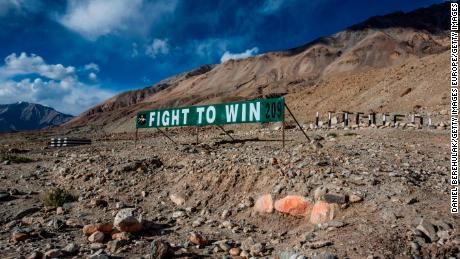
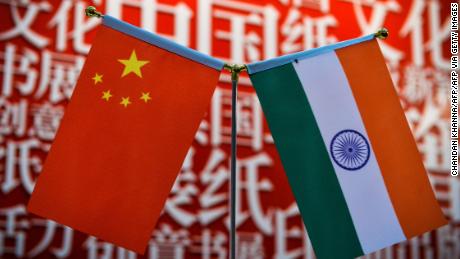
Tensions have been growing in the Himalayas along one of the world’s longest land borders since last month, with New Delhi and Beijing both accusing the other of overstepping the LAC that separates the two nuclear armed neighbors. The territory has long been disputed, erupting into numerous minor conflicts and diplomatic spats since a bloody war between the two countries in 1962.

The LAC runs between Chinese-controlled Aksai Chin and the rest of the disputed Jammu and Kashmir region.

The border spat between India and China is turning into an all-out media war

The rough border line was the result of the India China border dispute in 1962, but neither side agrees exactly where it is or how long it is.

Aksai Chin is administered by China as part of Xinjiang, but is also claimed by the Indian government as part of Ladakh.

The reported troop build up had left many worried about the potential for a confrontation, particularly as both Chinese and Indian media have published jingoistic calls for action.

Both Chinese President Xi Jinping and Indian Prime Minister Narendra Modi have built public support in large part on nationalism and a promise of future greatness. This often translates into aggressive rhetoric, particularly when playing to a domestic audience.

Such an approach was evidenced in Chinese coverage of the PLA maneuvers in the Himalayas. Equally, despite Delhi’s public calls for easing tensions, leading Indian government figures have struck an aggressive tone, with Home Affairs Minister Amit Shah telling a rally of the ruling Bharatiya Janata Party (BJP) earlier this month that “any intrusion into the the borders of India will be punished.”

“Some used to say that US and Israel were the only countries which were willing and capable of avenging every drop of the blood of their soldiers,” Shah said. “(Modi) has added India to that list.”

Writing for CNN this month, retired Indian general Singh said that part of the problem is that the de facto border, the LAC, is so ill defined.

“At strategic and operational levels, both militaries have exercised restraint,” he said. “However, at the tactical level, face-offs occur due to differing perceptions of where the actual border is as the LAC is not delineated on the ground. While face-offs get resolved locally, those related to the building of infrastructure, such as roads and defence fortifications, invariably take longer and require a combination of military and diplomatic initiatives.”

Speaking before the most recent clash, former Indian Foreign Secretary Nirupama Rao said she hoped the current crisis won’t lead to an abandonment of long-standing diplomatic negotiations over the disputed territory.

“Even if tensions rise and tempers fray, they would do well to remember that they have to continue to manage their differences in a grown-up way because armed clashes and military combat can have extremely serious repercussions for the stability of the region going beyond the ambit of the purely bilateral relationship between the two countries,” she said.

CNN’s Manveena Suri, Vedika Sud, Shawn Deng, Sugam Pokharel, Isaac Yee and Carly Walsh contributed reporting.

Source link

Protest live updates: Man charged with setting fires to Minneapolis police station; Trump signs order encouraging limit on deadly force

CLOSE

Oluwatoyin Salau, Victoria Sims found dead: What we know

Wochit

Amid calls for police reform across the nation, President Donald Trump signed an executive order Tuesday that encourages police departments to “meet the most current professional standards for the use of force.” 

Federal agents arrested a man on charges of setting a fire to a Minneapolis police station during the protests and rioting after the death of George Floyd. Dylan Shakespeare Robinson is the second man accused of setting fires in the station. 

The Seattle City Council voted unanimously Monday night to ban police from using tear gas and pepper spray. The vote comes after officers defied Mayor Jenny Durkan’s promise to not use tear gas on protesters in the Capitol Hill neighborhood.

Meanwhile, new audio of a phone call revealed that a 911 dispatcher called her supervisor to express concern over the force used against George Floyd.

A closer look at some recent developments: 

  • Monday night, three New York Police Department officers were hospitalized briefly after complaining of not feeling well after drinking milkshakes from Shake Shack. Following an investigation, the New York Police Department said “no criminality” had occurred.
  • Tyler Perry is paying for the funeral of Rayshard Brooks, a 27-year-old Black man who was fatally shot by a white Atlanta police officer outside a Wendy’s restaurant late Friday.
  • A hospital in California’s capital city of Sacramento removed a statue of John Sutter, who enslaved Native Americans, from outside its building.
  • A man was shot at an Albuquerque protest Monday night following a tense clash between protesters and heavily armed New Mexico Civil Guard members, who were trying to protect a statue of conquistador Juan de Oñate.
  • Eight Atlanta officers resigned this week amid ongoing unrest in the city.

Our live blog will be updated throughout the day. For first-in-the-morning updates, sign up for The Daily Briefing.

Man arrested on charges of starting fire at Minneapolis police station

Federal agents have arrested a Minnesota man they accuse of starting a fire inside the Minneapolis Police Department’s 3rd Precinct station during the protests and subsequent rioting over the death of George Floyd.

Dylan Shakespeare Robinson, 23, was arrested in Colorado on Sunday after federal Alcohol, Tobacco and Firearms agents asked for the public’s help in identifying several people they say were recorded on video in the area of the police station when the fires started on the night of May 28. In a court filing, ATF agent Nathan Boyer said a tipster identified Robinson as a schoolmate of her son.

ATF agents previously arrested another man, Branden Michael Wolfe, 23, for setting a fire inside the police station. Agents said Wolfe confessed after he was caught with a stolen police radio, pistol, body armor and baton.

ATF agents said videos posted to Snapchat and Facebook showed Robinson inside the 3rd Precinct discussing how to make a Molotov cocktail and then setting a fire by the first floor stairwell. The suspect was arrested in Breckenridge, Colorado, on Sunday after ATF investigators got a search warrant to track his cell phone’s location. Robinson was set for a video court appearance in Denver federal court on Tuesday.

At the time of his arrest, ATF agents said, Robinson was also in violation of his parole for a 2016 drug possession conviction in central Minnesota.

– Trevor Hughes

Trump signs order to encourage police to limit deadly force

President Donald Trump signed an executive order Tuesday that encourages law enforcement agencies to adopt high standards for the use of deadly force.

“Today is about pursuing common sense and fighting for a cause like we seldom get the chance to fight for,” Trump said in comments made in the Rose Garden. “We have to find common ground. But I strongly oppose the radical and dangerous efforts to (defund), dismantle and dissolve our police departments … Americans know the truth: without police there is chaos, without law there is anarchy and without safety, there is catastrophe.”

Trump said the order would focus on certifying police officers on de-escalation tactics; creating a database to track officers who have been accused of using excessive force, aiming to prevent them from being rehired at another police department; and launching a co-respondent program that would see mental health professional working more closely with police. 

Trump said the order bans choke holds “unless an officer’s life is at risk.” 

Trump and his staff developed the executive order amid protests in cities nationwide in response to a series of police killings, particularly last month’s death of George Floyd in Minneapolis. The White House was also the scene of protests in the week following Floyd’s death. The order comes down as Trump, down in pre-election polls to Democratic challenger Joe Biden, faces criticism over his handling of nationwide protests over Floyd’s death.

– Courtney Subramanian

Dispatcher warned police sergeant as officer pinned down George Floyd

A 911 dispatcher who was apparently watching in real time as a Minneapolis police officer pressed his knee into the neck of George Floyd called a supervisor to tell him what she saw, not caring if it made her look like a “snitch,” according to a recording of the call made public Monday.

In the recording, the dispatcher calls a police sergeant and says what she was seeing on live video looked “different” and that she wanted to let him know about it. The dispatcher was in a 911 call center at the time and was watching video from a surveillance camera posted at the intersection where police apprehended Floyd, according to city spokesman Casper Hill.

“I don’t know, you can call me a snitch if you want to, but we have the cameras up for 320’s call. … Um, I don’t know if they had used force or not. They got something out of the back of the squad, and all of them sat on this man. So, I don’t know if they needed you or not, but they haven’t said anything to me yet,” says the dispatcher, whose name is edited out of the recording.

Minnesota Freedom Fund faces criticism for use of donations

The Minnesota Freedom Fund, a nonprofit organization that helps minority and immigrant communities meet bail, came under criticism after it posted a tweet that said it used just $200,000 in bail payments since the surge of donations after George Floyd’s death.

In a different communication, the organization said “tens of thousands of people from all over the world have donated more than $25 million” since Floyd’s death. After the first tweet, critics sought transparency about how the remaining stockpile of donations would be used.

The MFF said on June 2 that it would pause accepting donations, since the organization was “flooded with resources and we are going to take a beat while we marshal those.” It also added that it had “some big plays in mind.”

Three days later, the MFF said that because “financial needs for protester bails has almost certainly been met,” donations may be used to “to expand legal support” for those arrested during protests.

Tyler Perry to pay for Rayshard Brooks’ funeral

Tyler Perry is paying for the funeral of Rayshard Brooks, a 27-year-old Black man who was fatally shot by a white Atlanta police officer outside a Wendy’s restaurant late Friday.

Brooks’ family attorney Chris Stewart made the announcement at a press conference in Atlanta on Monday. The same day, hundreds of protesters demanded an end to systemic racism during a “March on Georgia.”

Perry has not made a statement about the funeral on social media, but did post a quote from Martin Luther King, Jr. earlier Monday.

“I have decided to stick with love. Hate is too great a burden to bear,” the quote reads.

Also, according to People, Perry has also offered to pay for the college educations of Brooks’ four children.

– Sara M. Moniuszko

Man shot at tense New Mexico protest

One man was shot at an Albuquerque protest Monday night following a clash between protesters and heavily armed New Mexico Civil Guard members, who were trying to protect a statue of conquistador Juan de Oñate.

The injured man is in “critical, but stable condition” at a hospital, officials said. 

Police in a statement said detectives arrested Stephen Ray Baca, 31, and that he was jailed on suspicion of aggravated battery. Authorities had said earlier that several people were detained for questioning.

The shooting happened hours after Mayor Tim Keller announced the creation of a division made up of social workers, housing and homelessness specialists, and violence prevention coordinators that will be deployed instead of police in calls about inebriation, homelessness, addiction and mental health.

“We’ve placed more and more issues on the plates of officers who are not trained — despite their best efforts and despite some training — they’re not totally trained to be a social worker, or to be an addiction counselor, or to deal with things around child abuse when they’re just answering a call,” Keller said in his Twitter announcement. “We should have trained professionals do this, instead of folks with a gun and a badge.”

More protests flare up across US

A look at overnight protests across the country: 

  • In southwest Atlanta, peaceful protesters marched and largely avoided contact with police. They blocked traffic for about 90 minutes.
  • In St. Cloud, Minnesota, at least one business suffered damage and several people were arrested early Tuesday when a large crowd gathered. Police used chemical irritants to try to disperse a crowd of about 100.
  • In Nashville, two days after protesters set up a small campsite outside the state Capitol, a lawmaker moved to make doing so a felony. Late Monday night, Tennessee Highway Patrol announced it detained 19 for refusing to leave the capitol grounds.
  • In Portland, Oregon, police declared a civil disturbance after they said hundreds of protesters threw projectiles at officers and pointed lasers at their eyes. Police say demonstrators set a fire and tagged buildings with graffiti. Portland Police said a deputy was taken to a hospital for treatment after the deputy was hit in the head with a large rock.
CLOSE

The doctrine of qualified immunity has been used to protect police from civil lawsuits and trials. Here’s why it was put in place.

USA TODAY

NYPD officers hospitalized after drinking milkshakes from Shake Shack

The New York Police Department investigated whether three of its officers were poisoned after drinking milkshakes Monday night at a Shake Shack restaurant in Manhattan.

The officers complained of “not feeling well” before being hospitalized and later released, the NYPD said in a statement to USA TODAY, and Shake Shack said via Twitter that it was “horrified” and working with police.

The Detectives’ Endowment Association, the labor union that represents 20,000 active and retired New York City Detectives, condemned the incident as an attack on police, claiming on Twitter that the officers were “intentionally poisoned by one or more workers.”

However, Chief Rodney Harrison, NYPD’s chief of detectives, tweeted early Tuesday: “After a thorough investigation by the NYPD’s Manhattan South investigators, it has been determined that there was no criminality by shake shack’s employees.”

More on protests

Seattle City Council votes to ban police from using tear gas, pepper spray

The Seattle City Council voted unanimously Monday night to ban police from using tear gas, pepper spray and several other crowd control devices after officers repeatedly used them on mostly peaceful demonstrators protesting against racism and police brutality.

The 9-0 vote came amid frustration with the Seattle Police Department, which used tear gas to disperse protesters in the city’s densest neighborhood, Capitol Hill, just days after Mayor Jenny Durkan and Chief Carmen Best promised not to.

The council heard repeated complaints from residents forced out of their homes by the gas even though they weren’t protesting; one resident said his wife doused their child’s eyes with breast milk.

A federal judge on Friday issued a temporary order banning Seattle police from using tear gas, pepper spray, foam-tipped projectiles or other force against protesters, finding that the department had used less-lethal weapons “disproportionately and without provocation,” chilling free speech in the process.

California hospital removes John Sutter statue from outside its building

Amid calls to remove controversial historic monuments nationwide, a hospital in California’s state capital on Monday removed a statue of John Sutter sitting outside its building, KCRA reported.

Sutter General Hospital in Sacramento removed the statue “out of respect for some community members’ viewpoints,” according to a statement.

“There are important conversations happening across the country about the appropriate representation of statues and monuments, and we look forward to listening to and participating in future conversations about how our own community may display artwork from the different communities and individuals that have played important roles in Sacramento’s history,” the statement read.

Sutter was a Swiss-German who enslaved Native Americans and built the Sutter’s Fort State Historic Park in 1841, which is directly across the street from the hospital.

Atlanta officers resign as morale falls after Rayshard Brooks shooting

Eight Atlanta Police officers have resigned this month amid unrest in the city following the tasing of two college students by Atlanta officers, and most recently the killing of Rayshard Brooks. It was previously reported that 19 officers had resigned.

Police Chief Erika Shields also stepped down after the shooting of Brooks, who was stopped Friday night at a Wendy’s due to suspicion of drunk driving.

Prior to the announcement of the resignations, Mayor Keisha Lance Bottoms announced reforms to the police department by limiting the use of force through executive orders.

“The morale is bad right now,” the mayor said, according to Fox 5 in Atlanta. “My understanding is it is really bad.”

– Autumn Schoolman

California authorities will further review hanging death of Robert Fuller

Los Angeles County officials acknowledged Monday that community pressure and voices nationwide against racial inequality prompted them to take another look at the circumstances surrounding the death of Robert Fuller, a Black man found hanging from a tree in Palmdale, California.

The authorities initially indicated the death of Fuller, 24, appeared to be a suicide. Fuller’s family has challenged that contention, and hundreds of protesters turned out Saturday for a march starting at the park where his body was discovered June 10, across the street from City Hall.

As of Monday afternoon, more than 260,000 people had signed an online petition demanding a full investigation. At a Monday news conference, L.A. County Sheriff Alex Villanueva said California Attorney General Xavier Becerra and the civil rights division of the FBI would monitor the Fuller investigation in an effort to make sure “that we leave no rock unturned.”

– Jorge L. Ortiz and Lorenzo Reyes

Brooks’ widow, Tomika Miller: ‘Long time before this family heals’

While speaking at a press conference alongside several other family members and family attorney L. Chris Stewart, Tomika Miller, Brooks’ widow, fought back tears and thanked the Atlanta community for an outpouring of support over the weekend.

“There’s no justice that can ever make me feel happy about what has been done,” Miller said. “I can never get my husband back. I can never get my best friend. I can never tell my daughter: ‘Oh, he’s coming to take you skating,’ or for swimming lessons. It’s just going to be a long time before I heal. It’s going to be a long time before this family heals.”

Miller asked protesters to remain peaceful during demonstrations “because we want to keep his name positive and great.”

Stewart said that another customer who was at the Wendy’s drive-thru sent him an image of a stray bullet hole that struck the customer’s car when the Atlanta police officer fired at Brooks. 

“There could have been more casualties,” Stewart said. “That’s what happens when you fire in a crowded parking lot.”

Stewart also thanked actor and comedian Tyler Perry for his offer to pay for Brooks’ funeral services.

CLOSE

Rayshard Brooks’ family walked out of a press conference after being overwhelmed talking about the death of Brooks.

USA TODAY

– Matt Mencarini, Louisville Courier Journal

Contributing: The Associated Press

Autoplay

Show Thumbnails

Show Captions

Read or Share this story: https://www.usatoday.com/story/news/nation/2020/06/16/george-floyd-rayshard-brooks-updates-donald-trump/3192739001/

Source link

Our Best Fourth of July Recipes

0

Independence Day, or the Fourth of July as most of us call it, commemorates the date in 1776 when the Continental Congress adopted the Declaration of Independence, a written resolution announcing the United States’ freedom from British rule. (The legal separation actually happened two days before, on July 2.) In our founding fathers’ honor, let’s eat barbecue and set things on fire. Here are our best July 4 recipes.

Dips and Appetizers

Source link

At Least a Dozen Killed in Clash Between Chinese, Indian Security Forces Along Disputed Border

0

A clash between Indian and Chinese security forces in a disputed area of the Himalayan mountains has left at least 12 people dead and possibly dozens injured, reports said Tuesday, marking the first time soldiers have been killed in a confrontation between the two militaries in more than four decades.

Thousands of troops from the nuclear-armed neighbors have faced off since May along the unmarked border in the Galwan Valley, in India’s northeastern region of Ladakh, with Chinese troops rushing artillery and combat vehicles into the area after India was seen building a road nearby, according to Indian media reports.

While the two sides had pulled back ahead of a new round of talks aimed at reducing tensions, fighting broke out on Monday night at the Line of Actual Control (LAC) leaving at least 12 Indian soldiers dead, Reuters News Agency reported Tuesday, citing three Indian government sources. New Delhi Television (NDTV) reported that 20 Indian soldiers, including a colonel, had been killed.

Earlier, the Indian army had said in a statement that one of its officers and two soldiers were killed in a “violent faceoff” on the contested border with China.

Chief reporter at China’s official Global Times online newspaper, Wang Wenwen, cited reports in a tweet earlier on Tuesday that five People’s Liberation Army (PLA) soldiers were killed and 11 injured in the clashes. However, the Global Times later tweeted that it had never reported the number of casualties on the Chinese side and was unable to confirm one.

Asian News International reported that China had suffered 43 casualties in the clash, “including dead and seriously injured,” citing sources with knowledge of Indian intercepts. It said India’s Ministry of External Affairs claimed the clash occurred “as a result of an attempt by the Chinese side to ‘unilaterally change’ the status quo during de-escalation” and could have been avoided “if the agreement at the higher level had been scrupulously followed” by Chinese forces.

Reuters quoted Chinese foreign ministry spokesperson Zhao Lijian as saying that India had “severely violated our consensus and twice crossed the border line and provoked and attacked the Chinese forces, causing a violent physical confrontation between the two border forces.”

An unsigned editorial in the Global Times on Tuesday warned India that while China “does not and will not create conflicts … it fears no conflicts either.” It said that China’s PLA and government “will firmly safeguard China’s territorial integrity and maintain national interests when dealing with border conflicts.”

Reports said senior Chinese and Indian military officials are meeting to de-escalate the situation.

Risk of escalation

Tuesday’s clash marks the first time in more than four decades that soldiers had been killed in clashes between the two militaries. In 1975, four Indian soldiers were killed while on patrol in a border area.

While the two sides last week pulled troops back several miles from the LAC at three disputed border points, observers suggested that China might use Tuesday’s clash to undermine efforts to reduce tensions in the area.

“China’s aggression, and the killings, mark a turning point in Sino-Indian relations,” Brahma Chellaney, professor of strategic studies at the New Delhi-based Centre for Policy Research, told Reuters.

“The military fatalities in a confrontation underscores the risk of a larger military conflict.”

Daniel Russel, vice president of the Asia Society Policy Institute (ASPI) in New York, said in a statement that China is “throwing punches and provoking its neighbors” at a time that Beijing should be focusing on the country’s economy.

“Instead, [Chinese president] Xi Jinping is making a conscious appeal to Chinese nationalism and appears to be calculating that China can handle the consequences of these actions.”

Coming for the ‘fingers’

Lobsang Sangay, head of the Dharamsala, India-based Tibetan government-in-exile, told CNN India Chinese incursions in the region bear striking similarities to Beijing’s occupation of Tibet in 1950.

“[China’s founder] Mao Zedong and other Chinese leaders said Tibet is the palm we must occupy, then go after [the] five fingers, and the first finger is Ladakh, [then] Nepal, Bhutan, Sikkim and Arunachal Pradesh,” he said.

“They have the palm, Tibet, now they are coming after [the] five fingers.”

Sangay said the Tibetan government-in-exile has been warning India for decades that “what happened to Tibet could happen to you,” and only recently have a growing number of people in the country begun to realize “the threat posed since [the] Indo-Tibet border became [the] Indo-China border.”

While India has a right to defend its territory and sovereignty, the head of the Central Tibetan Administration (CTA) advised that dialogue “is the only way to move forward.”

“They both should go together because the Chinese strategy has always been carrot and stick, similarly, India should respond the same way,” he said.

“But never be the first one to take action or intrude. In most of the cases, it’s the intrusion in the border areas are coming from the Chinese side.”

Latest face-off

The current face-off in Ladakh is only the latest in a series of flare-ups along China’s and India’s 2,200-mile-long undemarcated border, or Line of Actual Control, with Indian soldiers using their fists to block an attempt by Chinese troops on May 9 to cross into Indian territory at the Nakula pass in northern Sikkim.

Meanwhile, in June 2017, India sent hundreds of troops into Bhutan to defend its ally against efforts by China to build a road southward into Doklam, an area claimed by both China and Bhutan. The stand-off continued for over two months and ended when both sides withdrew.

China and India fought a border war in 1962 that left hundreds killed or wounded on both sides.


Source link

‘You Can Call Me A Snitch’: 911 Dispatcher Alerted Supervisor To George Floyd’s Arrest

0

A Minnesota police dispatcher flagged George Floyd’s arrest to her supervisor last month, telling him “you can call me a snitch if you want to,” according to audio of her call released by the city Monday.

The unidentified dispatcher said she had just watched real-time footage of Floyd’s May 25 arrest, during which an officer pinned him to the pavement by his neck for nearly nine minutes. She appeared to wonder if a supervisor was needed at the scene.

“I don’t know if they had to use force or not, but they got something out of the back of the squad and all of them sat on this man, so I don’t know if they needed you or not, but they haven’t said anything to me yet,” she says.


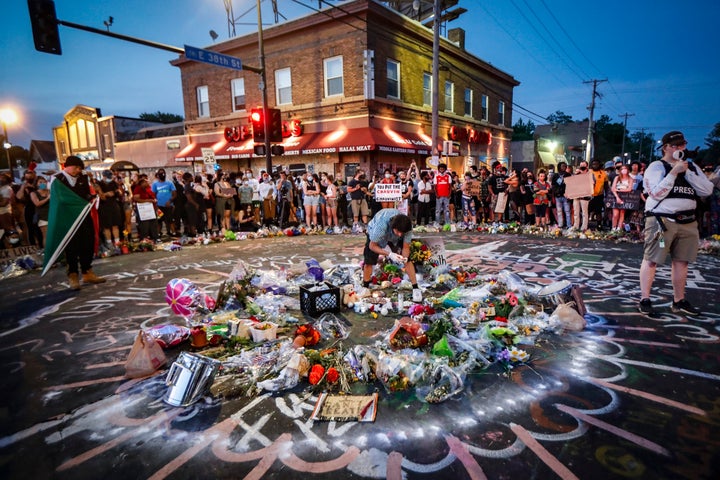
A makeshift memorial at the site where George Floyd died last month in Minneapolis.

“Yeah, they haven’t said anything yet. It’s just a takedown, which doesn’t count, but I’ll find out,” her supervisor responds.

“No problem. We don’t get to ever see it, so when we see it we’re just like, well, that looks a little different,” she replies.

With few exceptions, a supervisor is required under department policy to be notified whenever an officer uses force. They also usually respond to the scene, according to the Minneapolis Star Tribune.

During Floyd’s arrest, the first supervisor to the scene arrived 14 minutes after the dispatcher’s call to her supervisor ended, according to the Tribune.

Protesters gather June 1 at a memorial for Floyd outside Cup Foods on East 38th Street and Chicago Avenue in Minneapolis.


Protesters gather June 1 at a memorial for Floyd outside Cup Foods on East 38th Street and Chicago Avenue in Minneapolis.

Her voice of concern was one of many heard during the arrest of Floyd, who’d been accused of using a counterfeit $20 bill.

“He’s not fucking moving,” a bystander was recorded telling one of the officers at the scene as Floyd was pressed to the ground by then-officer Derek Chauvin.

“You just killed that man,” someone shouted at the officer.

Those words were echoed by a man identifying himself as an off-duty firefighter in a 911 call reporting the incident.

“I literally watched police officers not take a pulse and not do anything to save a man, and I am a first responder myself, and I literally have it on video camera,” said the man, according to a Star Tribune review of the call’s transcript. “I just happened to be on a walk so, this dude, this, they fucking killed him.”


Source by [author_name]

Egypt arrests prominent journalist after Al Jazeera interview

Jun 16, 2020

Egypt has arrested a prominent journalist who gave an interview to Qatari TV channel Al Jazeera, his family said in a statement. 

Mohamed Monir, 65, was taken from his apartment in Sheikh Zayed by secret police early Monday, according to his family. 

He was charged with joining a terrorist group, spreading false news and misusing social media, reported the New York-based Committee to Protect Journalists. He will reportedly be held in pre-trial detention for 15 days.  

“Egyptian authorities must immediately and unconditionally release journalist Mohamed Monir and drop these baseless charges,” CPJ said. “Monir is already in failing health, and to detain him pending trial during a pandemic is exceptionally cruel.”

Monir’s arrest came after he says police raided his home and searched through his belongings over the weekend. Surveillance video Monir posted to Facebook appears to show officers breaking down his door. 

On Sunday, Al Jazeera published an opinion piece written by Monir that criticized the Egyptian government’s handling of the coronavirus. Al Jazeera is owned and funded by Qatar, which supports the Muslim Brotherhood, an organization blacklisted as a terrorist group by Egypt. 

Monir’s family suggested his arrest was actually related to comments he made during an interview on Saturday about a controversy that erupted when Egyptian magazine Rose al Yusuf published a cover deemed offensive by the Coptic Church. 

“It was merely an expression of opinion and he did not say anything that could be deemed offensive to the nation or national unity,” Monir’s family wrote. 

Paris-based advocacy group Reporters Without Borders called Monir’s arrest “symptomatic of the difficulties” faced by other journalists working in Egypt. 

“A journalist was taken from his home without a warrant just hours after an appearance on a TV channel that is banned in his country to discuss a controversy involving a media outlet,” said Sabrina Bennoui, the head of the group’s Middle East desk. “Mohamed Monir must be released at once.”

A veteran journalist, Monir had worked as an editor for various news outlets, including as editor-in-chief of Al-Diyar newspaper and the deputy editor of the pro-government Al-Youm Al-Sabae. He is also a member of Egypt’s Journalists Syndicate. 

Egypt is considered one of the world’s worst abusers of press freedom. Reporters Without Borders ranked the North African country 166th out of 180 countries in its 2020 World Press Freedom Index. In May, security forces briefly detained Lina Attalah, the editor-in-chief of one of the country’s last major independent news outlets, Mada Masr. 


Source link

Dexamethasone: Man says it was ‘touch and go’ before he got trial drug to treat COVID-19

0

A man who was part of the trial that discovered a steroid could treat coronavirus patients has said his survival was “touch and go” before getting the drug.

Pete Herring was one of thousands who took part in the trials of dexamethasone, which has been shown to reduce deaths among people seriously ill with COVID-19.

The development has been hailed as a significant breakthrough, with the University of Oxford academic who led the trial saying “what we saw was really quite remarkable”.

Image:
Mr Herring is now back home after recovering from coronavirus

Mr Herring, 69, told Sky News his condition got so bad that doctors at Addenbrooke’s Hospital had been discussing placing him into an induced coma if the trial drug had not been effective.

He said: “It was touch and go at one point. I was really quite ill.

“I had various flu-like symptoms, but it was the difficulty breathing that was the worst.

“I was admitted to hospital on 28 April and moved to intensive care within an hour.

“I was on oxygen all the time I was there and it got to the point where they were talking about putting me into an induced coma.

“I knew I was on the trial, but didn’t know at the time if I’d been given the drug or just the placebo.

“My recovery was really a gradual thing. It wasn’t just like someone flicked a switch and I was okay.”

He said doctors had also given him a CPAP breathing mask, a device normally used as therapy for sleep apnea syndrome.

“It may be that it was some combination of that and the drug,” he said.

“I’m not sure how much of an idea anyone really had as to how much effect each had.”

After being discharged from hospital on 6 May, he said he only learned he had been given the trial drug weeks later.

“I’m 100% grateful that I was part of the trial and it’s wonderful news that this drug seems to work,” he said.

:: Listen to the Daily podcast on Apple Podcasts, Google Podcasts, Spotify, Spreaker

“I’ve since learned it’s actually quite cheap as drugs go, meaning it will be available to developing countries too, which is also great to know.”

Mr Herring, from Ely, Cambridgeshire, said his time in hospital had been challenging for his family, including his son, daughter, two grandchildren and a partner he lives with.

“My partner has been a rock but it was horrendous for all my family,” he said.

The drug was found to reduce death rates by around 35% for patients on ventilators, and by about 20% for those needing oxygen.

Professor Peter Horby, who led the trial of the drug, told Tuesday’s Downing Street briefing it saves “one in 8” patients in intensive care with COVID-19.

Source link

20 Troops Killed In Himalayas Clash With Chinese Army, Indian Officials Say

0

SRINAGAR, India (AP) — A clash high in the Himalayas between the world’s two most populated countries claimed the lives of 20 Indian soldiers in a border region that the two nuclear-armed neighbors have disputed for decades, Indian officials said Tuesday.

The clash in the Ladakh region Monday — during which Indian officials said neither side fired any shots — was the first deadly confrontation between India and China since 1975. Experts said it would be difficult for the two nations to ease heightened tensions.

The Indian and Chinese troops fought each other with fists and rocks, Indian officials said on condition of anonymity because they were not authorized to disclose the information.

The Indian Army initially said in a statement that three Indian soldiers had died, but later updated the number to 20 and said 17 “were critically injured in the line of duty at the standoff location and exposed to sub-zero temperatures in the high altitude terrain.” The statement did not disclose the nature of the soldiers’ injuries.

China accused Indian forces of carrying out “provocative attacks” on its troops without offering more details and did not disclose if any of its soldiers died.

After the clash, the two sides “disengaged” from the area where the the fighting happened, the Indian Army statement said.

Michael Kugelman, a South Asia specialist at the Wilson Center, said that the two countries were unlikely to go to war because they cannot “afford a conflict.”

“But let’s be clear: It beggars belief to think that they can magically deescalate after a deadly exchange with such a higher number of fatalities,” he said. “This crisis isn’t ending anytime soon.”

China claims about 90,000 square kilometers (35,000 square miles) of territory in India’s northeast, while India says China occupies 38,000 square kilometers (15,000 square miles) of its territory in the Aksai Chin Plateau in the Himalayas, a contiguous part of the Ladakh region.

India unilaterally declared Ladakh a federal territory while separating it from disputed Kashmir in August 2019. China was among the handful of countries to strongly condemn the move, raising it at international forums including the U.N. Security Council.

Thousands of soldiers on both sides have faced off over a month along a remote stretch of the 3,380-kilometer (2,100-mile) Line of Actual Control, the border established following a war between India and China in 1962 that resulted in an uneasy truce.

Vivek Katju, a retired Indian diplomat, said the deadly violence represented a dramatic departure from the four-decades-old status quo of troops from the two countries staring each other down without any fatalities.

“The political class and the security class as a whole will have to do very serious thinking about the road ahead,” he said.

Chinese Foreign Ministry spokesman Zhao Lijian gave no details of any casualties on the Chinese side, but said that China had strongly protested the incident and remained committed to maintaining “peace and tranquility” along the disputed and heavily militarized border.

“But what is shocking is that on June 15, the Indian troops seriously violated the consensus of the two sides, crossed the border illegally twice and carried out provocative attacks on Chinese personnel, resulting in serious physical conflicts between the two border forces,” Zhao said.

India’s Ministry of External Affairs said in a statement that the incident happened “as a result of an attempt by the Chinese side to unilaterally change the status quo” in the Galwan Valley.

Thousands of soldiers from the two countries, backed by armored trucks and artillery, have been stationed just a few hundred meters (yards) apart for more than a month in the Ladakh region that lies near Tibet. Army officers and diplomats have held a series of meetings to try to end the impasse, with no breakthrough.

Indian authorities have officially maintained near-total silence on the issues related to the confrontation

But two Indian security officials familiar with latest developments told The Associated Press that soldiers from the two sides had engaged in the fistfights and stone-throwing, which led to the casualties. Both said that no shots were fired by either side, speaking on condition of anonymity in keeping with government regulations.

Indian Prime Minister Narendra Modi did not comment on the clash in a televised meeting Tuesday with state officials.

The tense standoff started in early May, when Indian officials said that Chinese soldiers crossed the boundary in Ladakh at three different points, erecting tents and guard posts and ignoring verbal warnings to leave. That triggered shouting matches, stone-throwing and fistfights, much of it replayed on television news channels and social media.

China has sought to downplay the confrontation while saying the two sides were communicating through both their front-line military units and their respective embassies to resolve issues.

Though skirmishes aren’t new along the frontier, the standoff at Ladakh’s Galwan Valley, where India is building a strategic road connecting the region to an airstrip close to China, has escalated in recent weeks.

The two countries have been trying to settle their border dispute since the early 1990s without success.

The last time there were fatalities along the disputed border was in 1975, when Chinese troops killed four Indian soldiers in an ambush in the Twang region of northeastern India’s Arunachal Pradesh state, said Lt. Gen. D.S. Hooda, a former head of the Indian military’s Northern Command.

“It’s a very complicated and serious situation, and it will take real, hard negotiating skills to resolve this,” Hooda said.

Indian officials have said Chinese soldiers commit more than 500 border transgressions annually.

Associated Press writer Ashok Sharma contributed to this report from New Delhi.

Follow Aijaz Hussain on Twitter at twitter.com/hussain_aijaz


Source link