
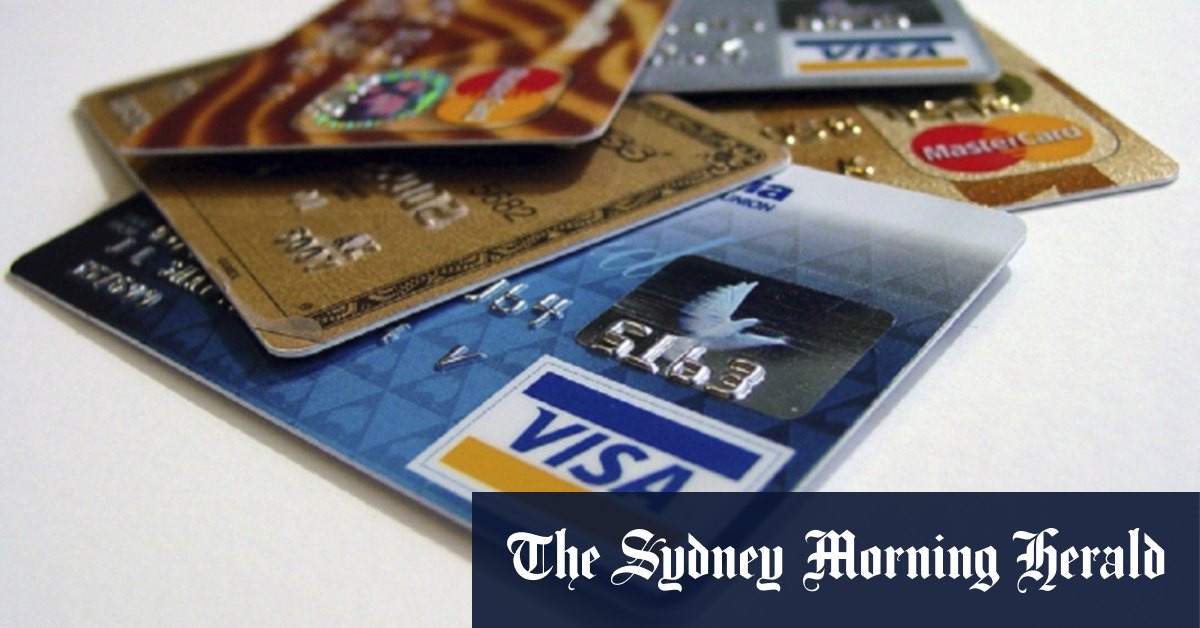
Credit card debt
Credit card debt was also in decline well before COVID-19 hit but the pandemic spurred many people to rein-in their spending as uncertainty grew. Some of the savings were used to pay down debt.
Others took an opportunity to use part of their retirement savings under the federal government’s COVID-19 financial hardship early release superannuation scheme to slash credit card debt.
The scheme allowed people who had lost their jobs or had hours cut to withdraw up to $20,000 from their super accounts in two $10,000 tranches. About $38 billion was withdrawn from super funds under the scheme.
The value of personal credit card debt that was accruing interest was more than $27 billion at the end of 2019. It now stands at about $20 billion.
Many credit card providers charge more than 20 per cent interest on outstanding card balances each year and even the cheaper cards charge relatively high interest. That is another factor contributing to the declining use of credit cards.
At the same time, there has been strong growth in the use of debit cards.
Before COVID-19 hit, the monthly value of debit card purchases was about $30 billion. It dipped in April of last year but is now running at more than $36 billion a month, seasonally adjusted.
BNPL growth
While many people have been paying down credit card debt, the growth in the use of BNPL platforms has been nothing short of staggering.
Figures released by the RBA show that the value of BNPL payments in Australia and New Zealand in the 12 months to mid-2017 was less than $1.5 billion.
For the year ended mid-2020, they had grown to more than $9 billion; though that is still only a small fraction of payments made with credit and debit cards, leaving BNPL with plenty of opportunity for further growth.
COVID-19 also forced many more people to shop online – some for the first time – and, with BNPL logos strategically placed in payment portals, it is not surprising to find their growing use across all age groups, particularly millennials.
The success of these services can be partly attributed to their simplicity. There is no complicated sign-up process and no interest to pay.
Most BNPL providers ask their customers to pay the money back in full within six to eight weeks and freeze user accounts if they do not comply.
Yet, despite the safeguards, shoppers can find themselves hit with late fees if they overspend.
A report by the Australian Securities and Investments Commission last year showed 21 per cent of BNPL users surveyed had missed a payment in the previous 12 months.
Home loan boom
Home lending is also surging on the back of record-low interest rates, relatively low unemployment and pent-up demand for housing stock after the lockdowns of last year.
With house prices rapidly rising, there is also fear that those who have not so far managed to get a foot on the property ladder may miss out altogether.
Loading
Just before the pandemic took hold, new owner-occupier lending was about $14 billion a month. It has since soared to more than $23 billion a month, seasonally adjusted figures from the Australian Bureau of Statistics show.
Many of the changes in our money psychology induced by the pandemic are likely here to stay.
It is relatively hard to change consumer behaviour but, when it happens, history shows it often becomes the norm, rather than the exception.
Discover more from PressNewsAgency
Subscribe to get the latest posts sent to your email.