
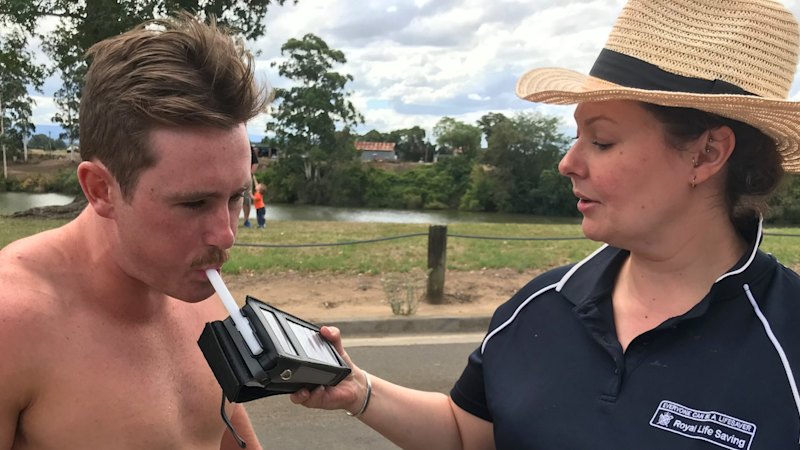
Peden and others attribute these high-risk days in the water to a toxic combination of public holidays and high alcohol consumption on rivers, lakes and beaches (though officially banned in many public places). If some swimmers were driving, they would have been as much as twice and three times over the safe limit in Australia.
When she tested people swimming and boating in NSW and Queensland rivers, including on Australia Day, for her research, she found 16 per cent of people had been drinking alcohol, with the highest readings nearly 6.5 times higher than the 0.05 legal limit applying to adults driving a car or operating a boat.
The cool weather has brought some relief. Last year, a person fatally drowned every day of summer, including 40 in December. This December, 20 people fatally drowned in the water, the annual summer drowning toll shows.
Risk factors include
- Alcohol: Present at high levels in one in five people who fatally drowned.
- Gender: Eight out of every 10 fatal drownings are male.
- Heat: The risk of drowning during a heatwave is 17 per cent higher than a non-heatwave day. Men have a higher risk during a heatwave (22 per cent) compared to women (5 per cent).
- Public holidays: The risk of fatally or non-fatally drowning is four times higher.
Peden said experts had done a lot of work to educate the public on water safety, but the 10-year high in drowning deaths to 357, a rise of 27 per cent on the 10-year average, suggested more should be done. She contributed to two water safety quizzes embedded in this story.
Loading
She urged the public to take extra precautions. As a parent of two young children, she prefers – if she can – to have one adult available to supervise for each child. If heading to the beach, she checks the Beach Safe app for weather conditions, and she asks the local lifeguards about the conditions, and for help in identifying rips.
She also brings a flotation device. That could be an esky or a pool noodle – something that will help someone stay afloat in case of an emergency.
Water safety experts say the numbers disguise a much greater problem, partly because of a failure to use the correct terms (fatal drowning and non-fatal). For every person who fatally drowned, as many as 15 people suffer non-fatal injuries that require hospitalisation and can cause lifelong injuries including brain damage.
Discover more from PressNewsAgency
Subscribe to get the latest posts sent to your email.