

“A bloody disgrace!” exclaims Peter Foo, on the coast at Liverpool, England. The Liverpudlian is relating the story of his father, one of 2,300 Chinese seamen secretly deported from Britain – in his case to Singapore – after helping the Allies win World War II. Like hundreds of other children from suddenly shattered families, Foo grew up believing his father had inexcusably “done a runner”.
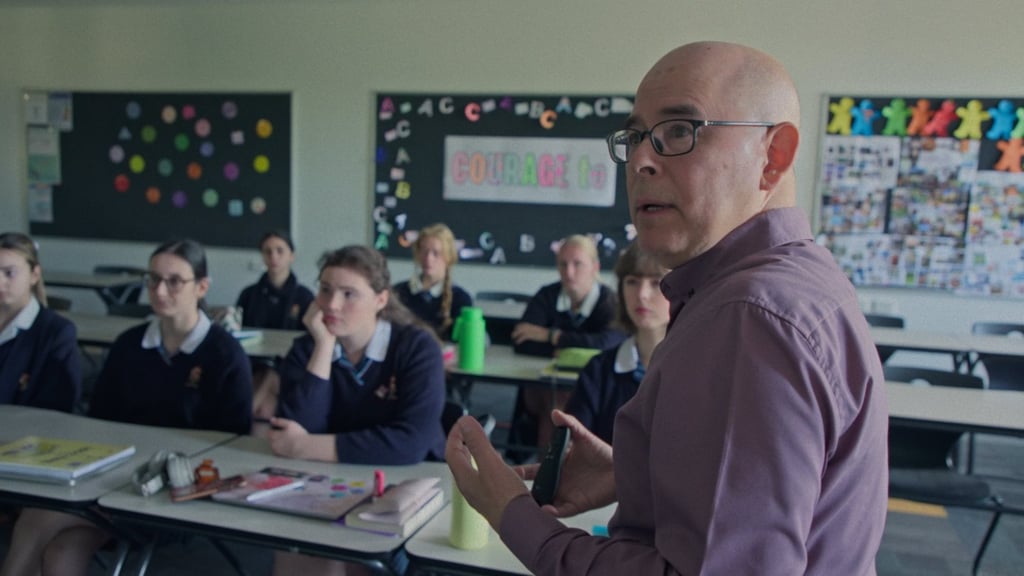
In Melbourne, Australia, teacher Kerry Ang is explaining to pupils the intricacies of the White Australia policy, a nakedly racist government strategy to keep out non-white immigrants and eject “undesirable” coloured elements already in the country.
Although implemented in 1901, it didn’t stop Canberra recruiting resident Chinese war refugees to the Australian Army – among them Ang’s father, Tony, possibly a Hong Kong native (records are unclear), who had arrived in 1942.
Foo and Ang are speaking in The Exiles, parts one and two, respectively. Relatives lost forever, splintered relationships, official cover-ups lasting decades and dispiriting DNA test results are the heart-rending diet, at times, of documentary filmmaker Tom St John Gray. The director and producer is known for his work with Singapore-based CNA/Mediacorp, which is responsible for The Exiles as well as some of his other films.
One wonders if deeply affecting content exacts an emotional toll.
“I’ve always been interested in broad history,” says St John Gray by Zoom from Da Nang, Vietnam, where he is developing a Singapore-focused project. “But within that, you’re interested in the smaller stories ignored or not fully reported.
“Making documentaries is fraught with minefields,” he says. “[But] it’s that sense of injustice; and an interest in helping people tell their stories and find closure. And in bringing [forgotten] acts of heroism to the fore.
“The work I’ve been doing, especially in the last five years, there’s been a strong interest in lesser-known, fascinating stories – those that people would be really shocked to know about if you sat down to talk to them in a cafe or bar.”
Alongside The Exiles in that category would be documentaries Forgotten Heroes (2020; with St John Gray as producer and writer), remembering Singaporean servicemen who fought abroad in World War II; and Riot Island (2022), made by Peddling Pictures, with St John Gray enlisted as producer.
The latter film semi-dramatises the demise of Pulau Senang bars-free prison, built in 1960 to rehabilitate convicts from a Singapore terrorised by violent gangs as it emerged from British colonial rule. The island, 13km off the Lion City’s south coast, was administered by Superintendent Daniel Dutton. He and three attendants would meet a grisly fate during the 1963 revolt that ended the penal experiment.
Although St John Gray was born in Aberystwyth, Wales, and studied archaeology and ancient history at the University of Edinburgh, in Scotland, it was perhaps inevitable that his career would be saturated in more recent, Southeast Asian history.
“My parents were in Singapore from 1961 to 1964,” he says. “My father served in the Konfrontasi and was one of the officers at the Limbang Rebellion, which really kicked off the whole Konfrontasi conflict,” he adds, referring to the de facto Cold War confrontation, from 1963 to 1966, resulting from Indonesia’s rejection of the creation of Malaysia.
Also in Borneo, Captain Hugh St John Gray of the Royal Marines undertook several five-month stints in the island’s jungles, before postings to Johor Bahru, then Port Dickson, with the Malaysian Special Service Unit.
His son, having lived and worked in Singapore himself, is now following a similarly peripatetic, remote-working lifestyle. But wherever he may find himself he seems to stand little chance of escaping his family’s intriguing past.
St John Gray spent lockdown in Bath, England, with his mother, now in her mid-80s and a native of Ceredigion, Wales. “I was there almost 20 months,” he says. “After we finished talking about the world ending we started talking about family and I heard a lot of stories I’d never heard before, which played out like a drama.
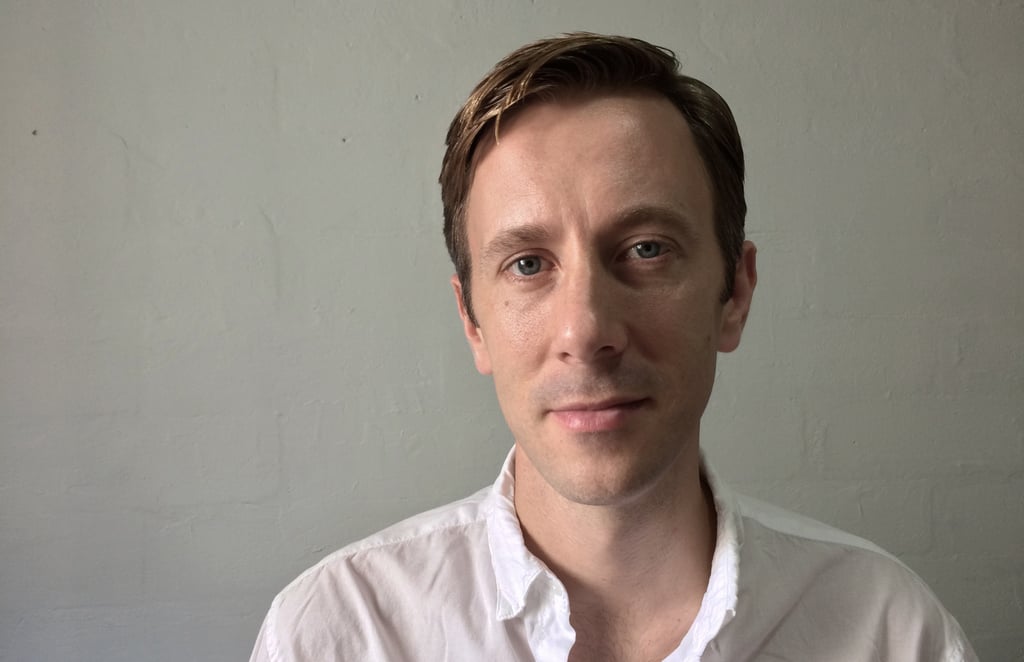
“Part of the family was from a poor Welsh farming area. My greatgrandfather, Herbert Jones, one of 12 children, moved to London in about 1900 with half of his siblings and started what became a successful dairy business. Some siblings emigrated to Canada to be farmers there; all had different levels of success,” says St John Gray.
“I got really interested – and had time on my hands – and I’ve ended up remote learning for a diploma in genealogy with Aberystwyth University, slowly piecing together the lives of the 12.
“At the time it felt quite niche, although obviously it’s not really niche at all – lots of people are interested in genealogy these days, especially from an Asian perspective. There’s been a big explosion in Chinese ancestral research – it’s been fascinating to see how that’s grown.”
St John Gray’s abilities in this field have translated into a professional advantage. “It’s come full circle with recent documentaries I’ve worked on,” he says, “the genealogy becoming integral to the people I’ve tracked down.”
Perhaps his superpower is the one for which those unfairly airbrushed from history have been waiting.
Discover more from PressNewsAgency
Subscribe to get the latest posts sent to your email.